


What could the First-Time Buyer reforms mean for the PRS?
The Autumn Budget has given letting agents some conflicting news. For tenants, there’s great news with a new £4.7 billion equity loan scheme to help more of them onto the property ladder. For landlords, it’s another hit to their margins.
After a tough year of landlords leaving the market because of increased legislation and rising costs, the government has now announced a 4% tax increase on rental profits.
So could helping more tenants become buyers create new opportunities for letting agents and landlords, even as the cost of letting out a property keeps rising?
Your First Home: A new £4.7 billion scheme for first-time buyers
A key budget headline housing announcement was confirmation of Your First Home, a new government-backed equity loan scheme designed to help up to 700,000 people get on the housing ladder.
Under the scheme, first-time buyers looking for a new-build home could be eligible for a government-backed equity loan of 20% of the property’s value; and the minimum deposit requirement will be just 2.5%.
The Government’s illustration shows how a £300,000 home purchase could be funded:
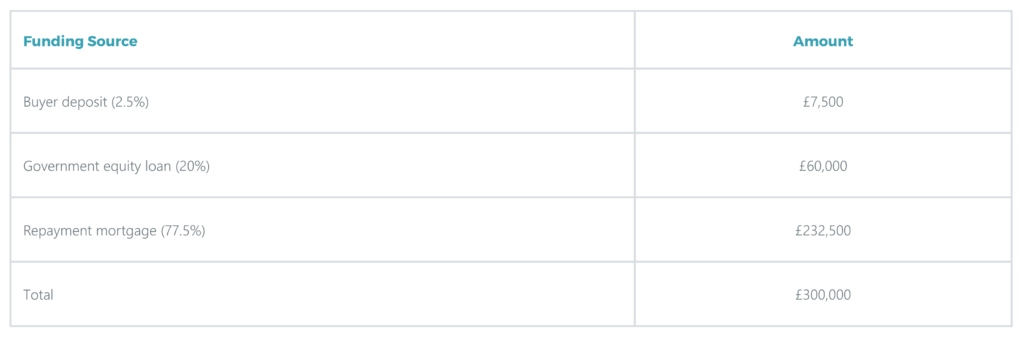
The equity loan will be interest-free for the first five years. Using a 30-year mortgage with interest at 5%, the Government estimates monthly mortgage repayments of approximately £1,248, compared with £1,530 for a 95% mortgage. This would mean potential monthly savings of £282 during the first five years.
Lifetime ISAs are changing too
The Budget also included important news for first-time buyers saving towards a deposit, as the Government confirmed that the Lifetime ISA will be replaced for new savers by a dedicated First Time Buyer ISA from April 2029.
Savers will be able to save up to £4,000 a year, and when it’s time to buy, will receive a welcome 25% government bonus towards buying their first home.
What could these changes mean for the private rented sector?
These measures aimed at first-time buyers might not seem particularly relevant to letting agents. However, the relationship between homeownership and the private rented sector is closely connected. Many first-time buyers are currently tenants and when tenants purchase their first homes, this creates movement within the housing market. A healthy housing market needs movement, and helping people progress from renting into homeownership can contribute to that movement.
Turning tenant movement into opportunities for agents
Tenant turnover isn’t always welcome news for landlords. There are potential void periods, re-letting costs and the admin involved in finding new tenants. But for letting agents, a change of tenancy is also an opportunity to review how the property is performing.
The current rent is an obvious starting point. Under the Renters’ Rights Act, rent increases have to be made through the Section 13 process, and are limited to once a year. An empty property is the perfect time to review rents against current market conditions.
For landlords, particularly those with several properties, these conversations can make a real difference. Rather than treating a departing tenant as another property to market, agents can use the opportunity to review returns, voids and help landlords make better-informed decisions about their investments.
A more challenging outlook for landlords?
Although the Budget included measures aimed at supporting first-time buyers, it also brought additional financial pressures for landlords.
The Chancellor has announced a further two-percentage-point increase in income tax on property income, taking the rates up to either 24%, 44% and 49% (depending on the landlord’s total taxable income) from the next tax year. Whilst the increased tax is no surprise – it is higher than the amounts announced in the 2025 Budget, which would have introduced rates of 22%, 42% and 47%.
This means that, compared with the current income tax rates, the tax applicable to rental profits will increase by 4% across each of the three income tax bands.
Increasing taxes on landlords could influence their decisions about property investment, rental pricing and even cause them to question whether to remain in the private rented sector at all.
However, for letting agents, this creates another important opportunity to demonstrate their value. As landlords consider the financial implications of the Budget, agents can provide valuable local market insight about the long-term value of their portfolio, and help them make informed decisions about their rental investments.
The challenge will be balancing the opportunities created by greater movement within the housing market with the need to maintain a sustainable supply of privately rented homes.
What should letting agents be watching?
For letting agents, there are several developments worth monitoring:
- First-time buyer activity: Will the new equity loan scheme enable more tenants to move into homeownership?
- Local rental availability: Could increased movement among tenants looking to become homeowners create more opportunities for those looking to rent?
- Landlord expectations: How might changes in tenant turnover and property tax affect investment decisions and rental pricing?
- Tenant communication: Could understanding tenants’ longer-term housing plans help agents provide more proactive advice to landlords?
None of these outcomes are guaranteed. But keeping a close eye on local market conditions will help agents understand whether the Budget’s measures are beginning to influence tenant behaviour and landlord investment decisions.