
Why letting agents can’t afford to ignore maintenance
As storms Austen and Boelo bring damaging winds, heavy rain and flooding to parts of the UK, letting agents could be facing an increase in maintenance requests. From leaking roofs and blocked gutters to water damage and heating failures, dealing with repairs promptly is essential. But as one real-life legal case demonstrates, failing to address property maintenance can have consequences far beyond the original repair bill.
With autumn well underway and winter approaching, property maintenance is likely to be high on the agenda for letting agents and landlords.
Recent storms have highlighted how quickly properties can be affected by severe weather, particularly where existing maintenance issues have been left unresolved.
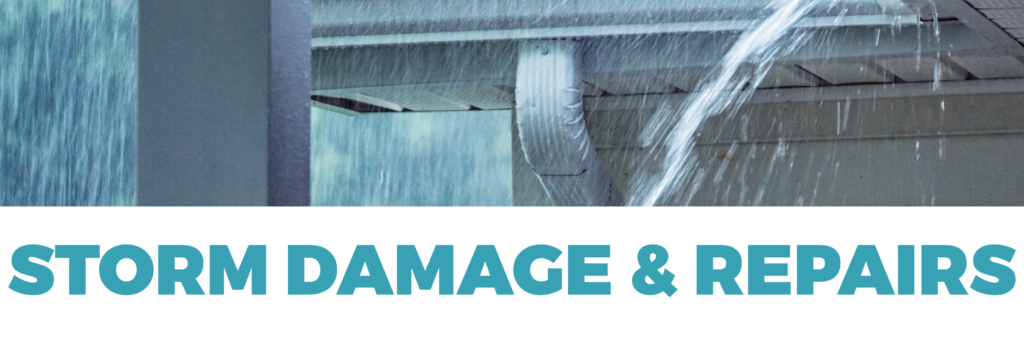
A blocked gutter might seem relatively insignificant during the summer months, but when heavy rain arrives, overflowing water can penetrate walls, damage internal finishes and contribute to damp and mould.
Similarly, a loose roof tile that could have been repaired relatively easily may become a much more expensive problem following high winds.
For letting agents, the challenge isn’t simply arranging repairs. It’s ensuring problems are identified, prioritised, documented and resolved before they escalate.
And there’s a compelling financial reason to get this right.
When property disrepair becomes a £40,000 legal dispute
A real-life case shared by Woodstock Legal Services, demonstrates how unresolved repairs can complicate matters for landlords.

Case study
We were instructed to seek possession of the property due to a tenant being in rent arrears in excess of £10,000.00. The relevant possession notice was served on the tenant and court proceedings were later issued.
At the possession hearing, the tenant told the Judge that he has a defence because the property was in disrepair. The judge adjourned the hearing and ordered the tenant to file a defence and counterclaim by a specific date.
The tenant sought legal representation through legal aid and filed the defence and counterclaim seeking up to £40,000 in damages against the landlord for disrepair.
In the counterclaim, the tenant alleged that the landlord knew necessary repairs were required but he failed to complete the repairs within a reasonable period and the property was not in a safe and habitable condition.
Although a tenant should not refuse to pay rent in respect to any alleged despair, if the Judge deems the landlord is in breach of repairing obligation and fitness for habitation, the judge will likely offset any damages awarded to the tenant against the rent arrears later.
This means that if the Judge awards damages to the tenant above the rent arrears sum, the rent arrears will be written off and the landlord will be ordered to pay the remaining balance to the tenant.
If the landlord is relying on a Section 8 Notice for rent arrears grounds, the notice and possession claim can be severely impacted by the reduced arrears following a tenant’s successful counterclaim.
In this case, the landlord previously managed the property themselves for several years before instructing a letting agent to take over management.
Unfortunately, he had failed to keep an accurate record of any repairs completed and notices sent to the tenant requesting access.
This case illustrates an important risk. Where a tenant successfully establishes a disrepair claim, damages may be offset against outstanding rent arrears.
Depending on the circumstances, this could affect a landlord’s ability to rely on particular rent arrears grounds when seeking possession. What began as a straightforward attempt to recover unpaid rent had become a significantly more complicated legal dispute. And it demonstrates why dealing with repairs – and documenting the actions taken – should be a priority for every landlord and letting agent.
What are landlords responsible for repairing?
Under Section 11 of the Landlord and Tenant Act 1985, landlords have important responsibilities for maintaining rented properties. These generally include keeping the structure and exterior in repair, including roofs, gutters and external drainage, as well as maintaining installations for water, gas, electricity, sanitation, heating and hot water.
Landlords also have responsibilities to ensure rented homes are fit for human habitation.
During periods of severe weather, these obligations become particularly relevant.
Storm damage can expose existing weaknesses in a property, while heavy rainfall may reveal problems that were previously less noticeable.
However, responsibility for repairs isn’t always straightforward. For example, the statutory repairing obligation does not generally require landlords to rebuild a property destroyed by flooding or storms, although other legal obligations, tenancy terms and insurance arrangements may still be relevant.
For agents, the important point is to understand the nature of the problem, establish who is responsible and take appropriate action.
Five repairs to prioritise following severe weather
Following storms or prolonged heavy rainfall, there are several areas where letting agents should pay particular attention.
1. Roofs, gutters and drainage | High winds can dislodge roof tiles, damage flashing and loosen guttering. Blocked or damaged gutters can also cause rainwater to overflow, potentially allowing moisture to penetrate external walls. Encouraging tenants to report visible damage promptly can help prevent more extensive problems.
2. Water ingress and damp | Water entering a property should never be dismissed as a minor inconvenience. Even a relatively small leak can damage plasterwork, flooring and furnishings, while persistent moisture can contribute to mould growth. Identifying and addressing the source of water ingress is essential, rather than simply treating the visible symptoms.
3. Heating and hot water | As temperatures fall, heating systems become increasingly important to tenants’ comfort and wellbeing. Agents should ensure reported faults are assessed promptly, particularly where vulnerable occupants may be affected.
4. Windows and external doors | Damaged seals, broken glazing and poorly fitting doors can allow rainwater and draughts into a property. These issues may also affect security and increase heat loss.
5. External hazards | Loose fencing, damaged walls, unstable trees and fallen debris can create safety risks following strong winds. Where there is an immediate danger, the priority should be making the area safe and arranging appropriate professional assistance.
Why communication is just as important as completing the repair
When a tenant reports a maintenance issue, they want reassurance that their concerns have been heard and that appropriate action is being taken.
Even where repairs cannot be completed immediately, regular communication can make a significant difference. For example, following widespread storm damage, contractors may be dealing with exceptionally high demand. An agent who acknowledges the problem, explains the next steps and provides realistic updates is likely to maintain a better relationship with the tenant than one who leaves them wondering whether anything is happening.
Good communication also helps landlords understand the urgency of repairs and the potential consequences of delays. Importantly, every stage of that communication should be documented.
Documentation: Your best defence against disrepair disputes
One of the most significant lessons from Woodstock’s case study is the importance of maintaining accurate repair records. Where a landlord or agent cannot demonstrate what action was taken, when it was taken or whether access was requested, defending allegations of inaction can become more difficult.
A robust repairs process should include:
- Recording the date and details of every reported issue.
- Retaining photographs showing the property’s condition.
- Documenting communications with tenants and landlords.
- Recording contractor instructions, appointments and completed works.
- Keeping evidence of requests for access, including where access was unsuccessful.
- Retaining photographs or reports confirming the condition of the property following repairs.
These records can provide valuable evidence if questions arise about how a maintenance issue was handled. They also help agents monitor outstanding work and ensure nothing is overlooked.
Prevention is better than dealing with the consequences
While severe weather cannot be prevented, some of its impact on rented properties can be reduced through proactive maintenance. Regular property inspections can help identify potential problems before they become more serious.
For example, checking guttering, inspecting visible roof damage and ensuring external drainage is functioning correctly can all help prepare properties for periods of heavy rainfall. Encouraging tenants to report minor issues promptly is equally important.
A small leak reported today may be relatively straightforward to resolve. Left unaddressed for several months, it could lead to extensive water damage and a much larger repair bill. For agents, proactive maintenance is also an opportunity to demonstrate the value of professional property management.
By helping landlords identify risks, prioritise repairs and maintain accurate records, agents can protect both their clients’ investments and the wellbeing of tenants.
Making repairs easier to manage with Fixflo and BOX

Managing maintenance across multiple properties can be challenging, particularly during periods of severe weather when repair requests may increase. Having a clear, centralised process can help agents manage workloads, communicate effectively and maintain visibility over outstanding repairs.
Through the integration of Fixflo with BOX from The Lettings Hub, agents who use Fixflo can offer tenants a convenient way to report maintenance issues directly through their BOX tenant portal.
Tenants can report problems and receive updates without needing to remember another login or reporting website, with their personal and property information automatically populated.
For agents, this helps create a more streamlined maintenance process, with centralised repair tracking, contractor communication and updates for tenants and landlords. It also supports the accurate record-keeping that is so important when managing property repairs.
Don’t let a small repair become a big problem
Recent storms are a reminder of how quickly maintenance issues can arise, particularly during the autumn and winter months. But whether a repair is caused by severe weather, general wear and tear or an unexpected fault, the principles of good property management remain the same.
Act promptly, communicate clearly and document everything
Doing so helps protect tenants, maintain properties and reduce the risk of costly disputes.