
DO NOT send externally. This page has everything you need to know about the Act and how we can help our customers.
What’s included?
Link to The Literature Library Directory
Links you can send to letting agents
The implementation timeline
Each legislative change, what they mean for letting agents and our solutions
Infosheets, e-guides, toolkits & mythbuster videos (coming soon)
FAQ’s
What's Next? | Implementation Timeline
What has changed since 1st May 2026?
A list of the main legislative changes have gone live, which is a major switch-on point for the PRS:
Section 21 is now abolished
All new tenancies became periodic
Rent increases limited to once per year, alongside correct compliance
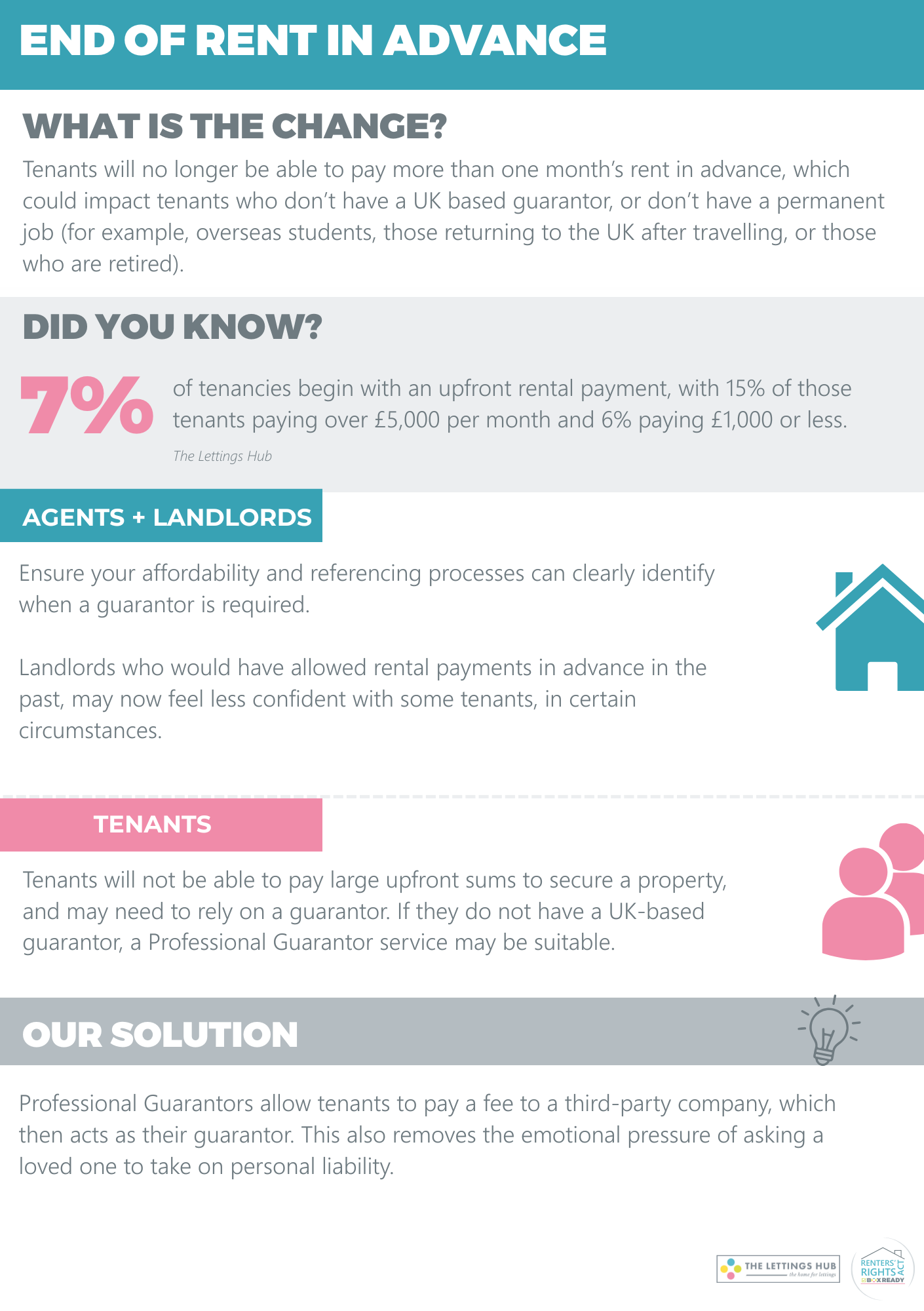
Rent in Advance has been removed
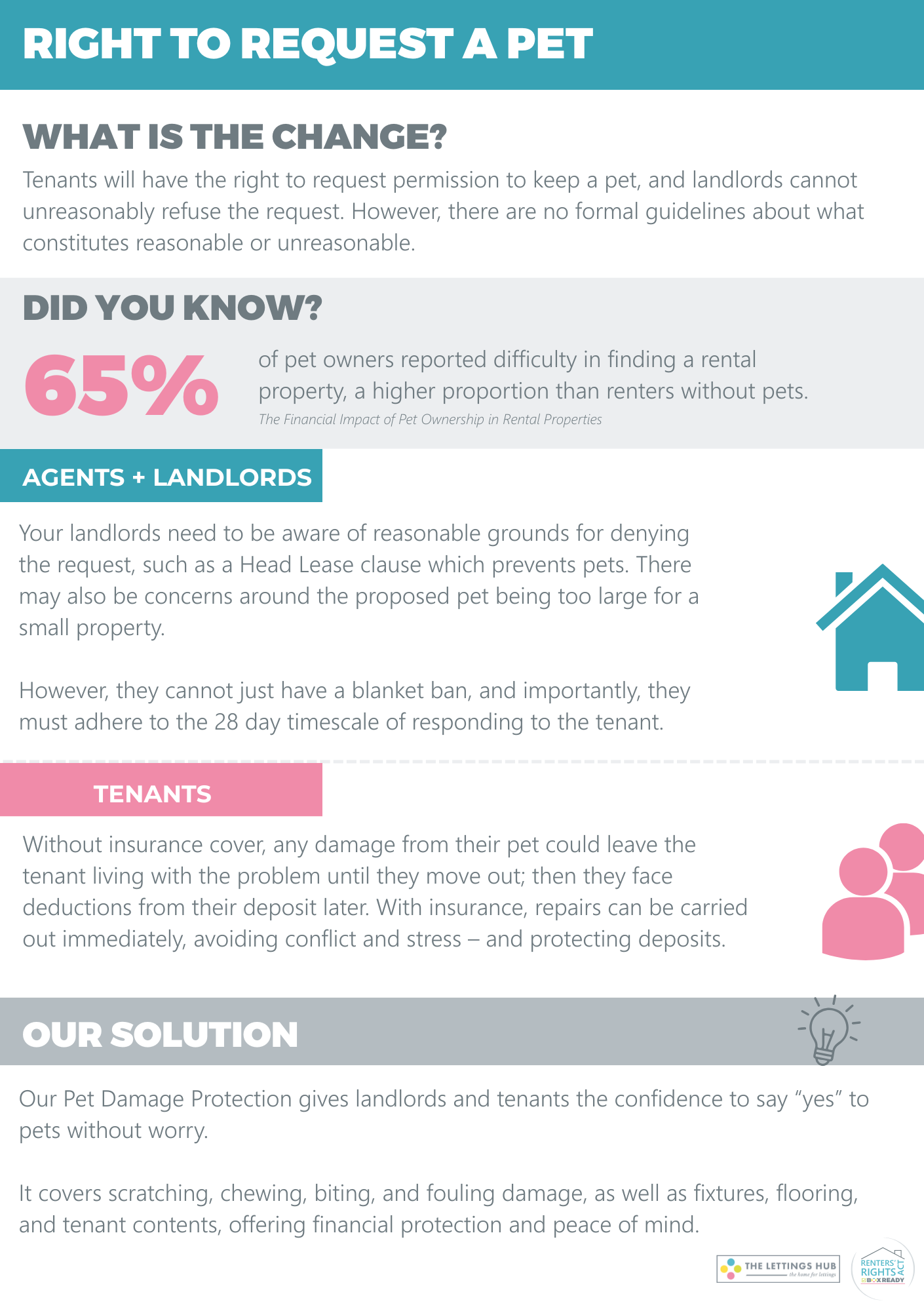
Tenants have gained rights to request pets, which now cannot be unreasonably refused
Expanded Section 8 Grounds in place
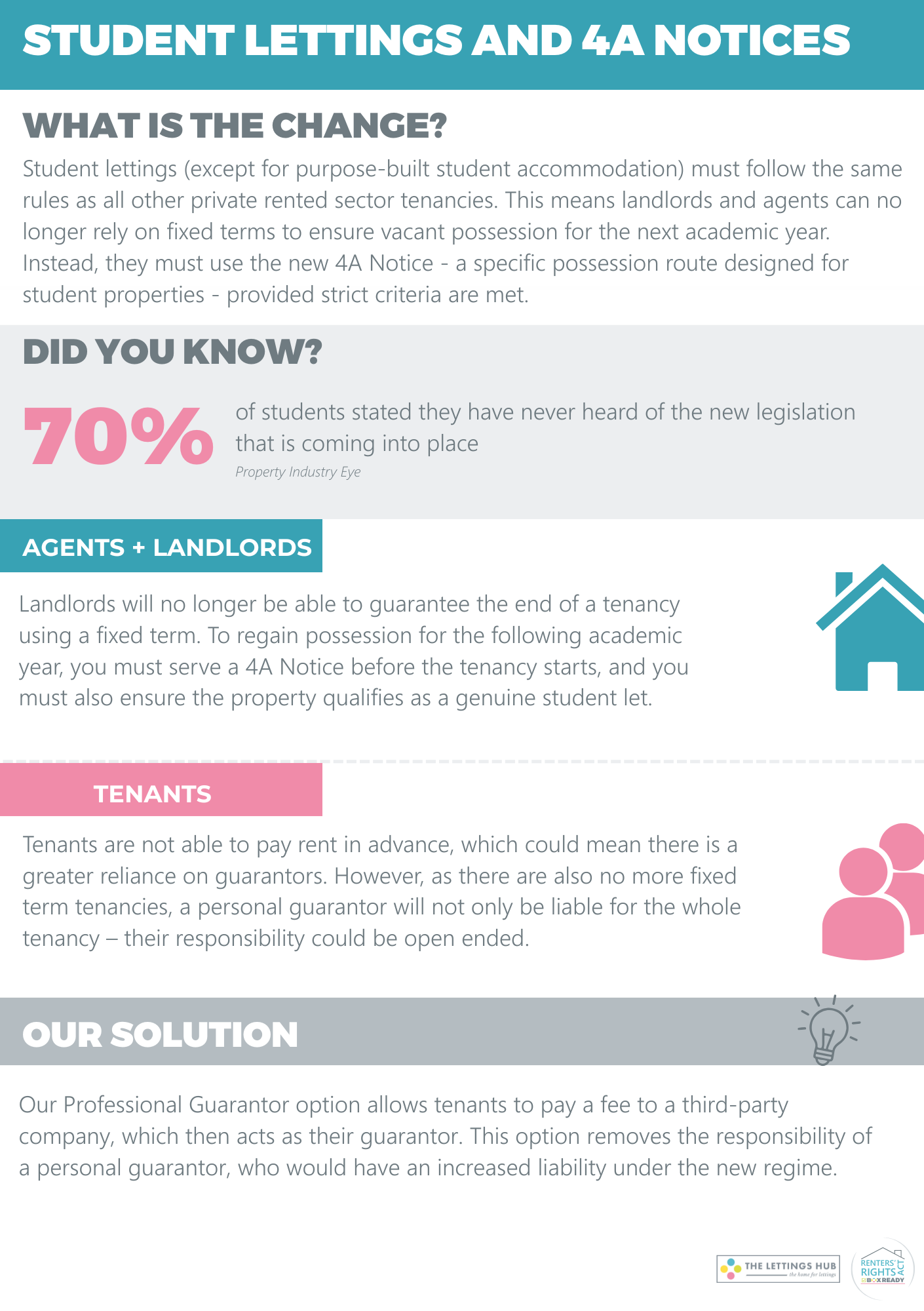
Student Ground 4A became operational

The Changes | Our Solutions

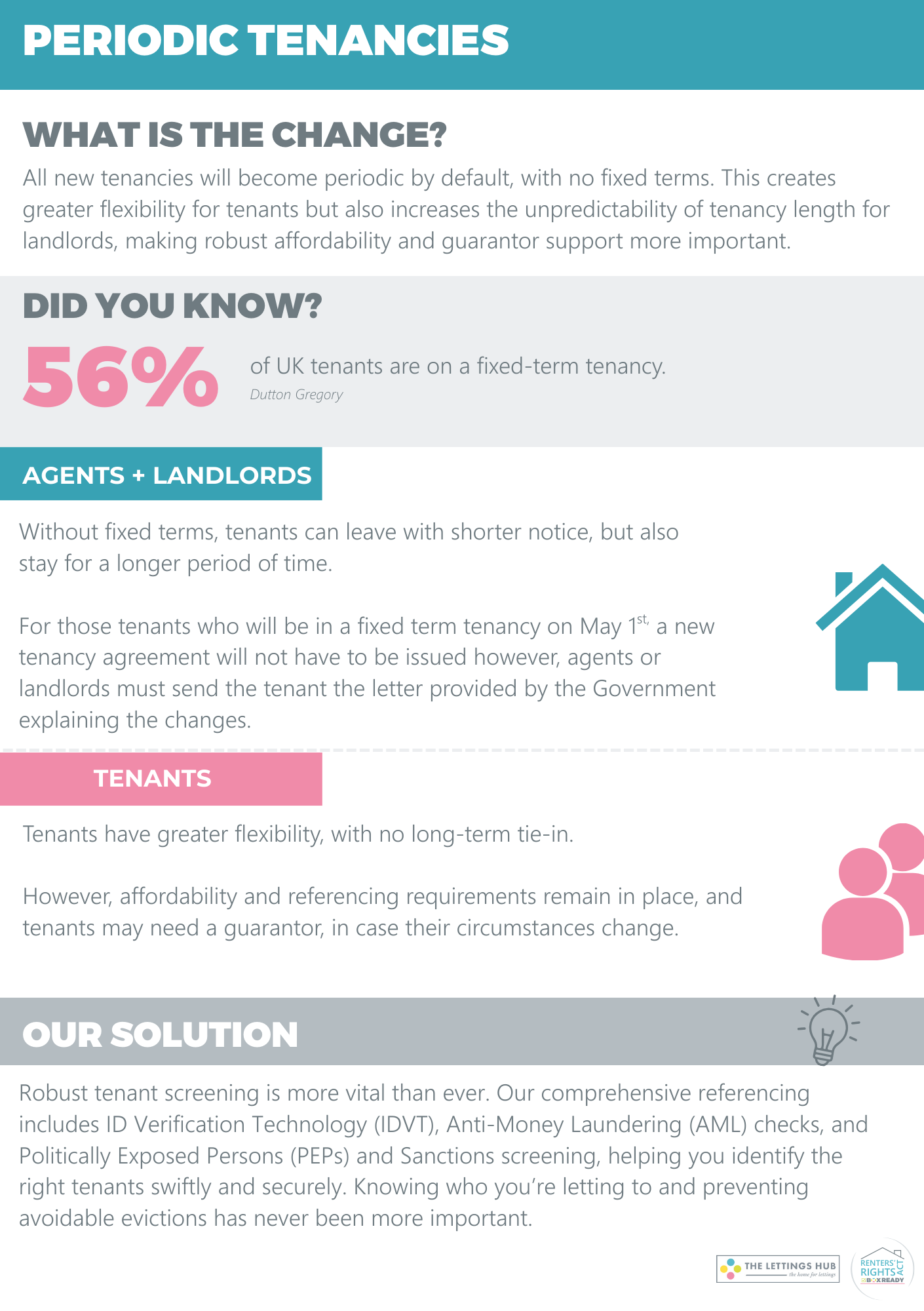
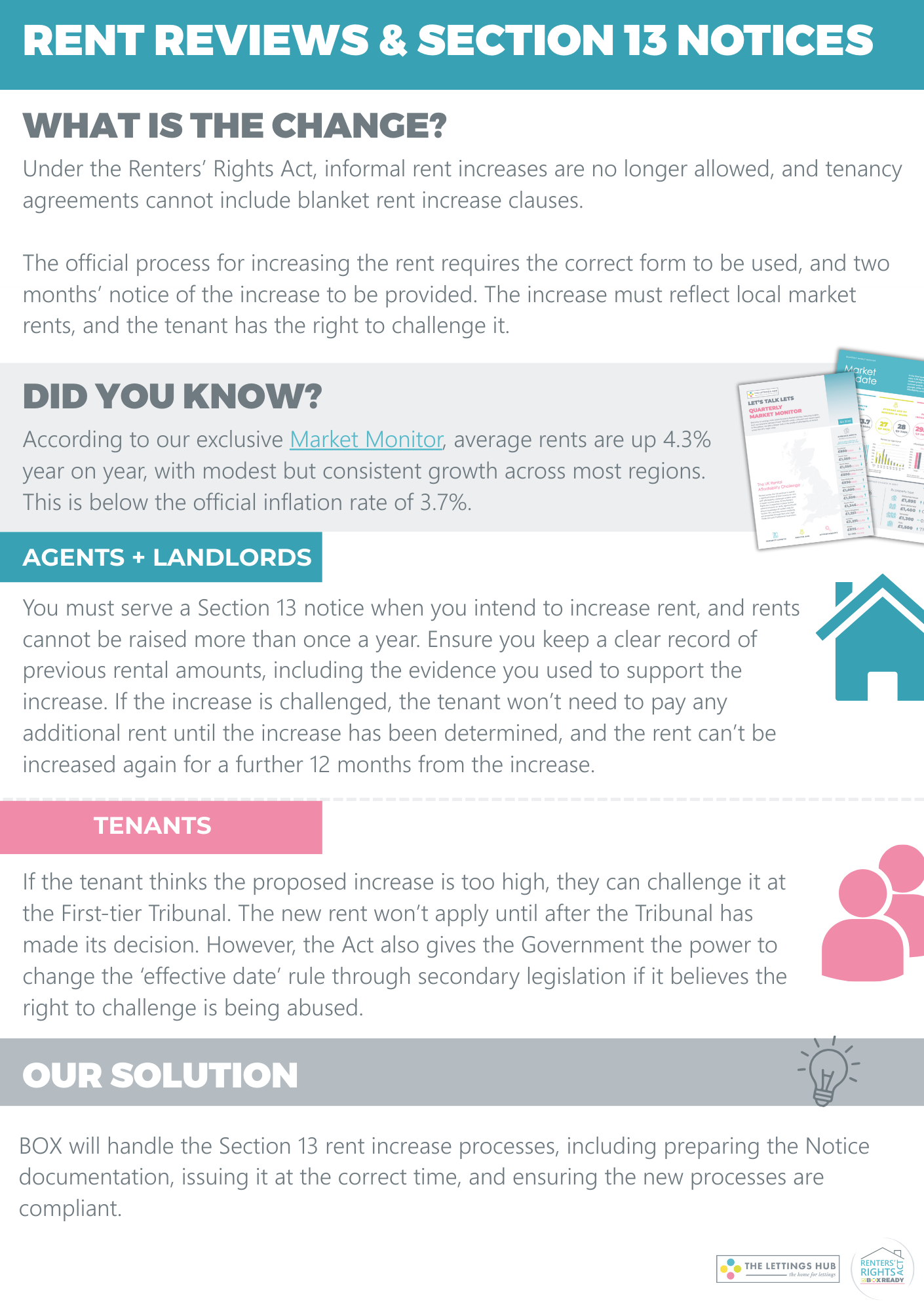
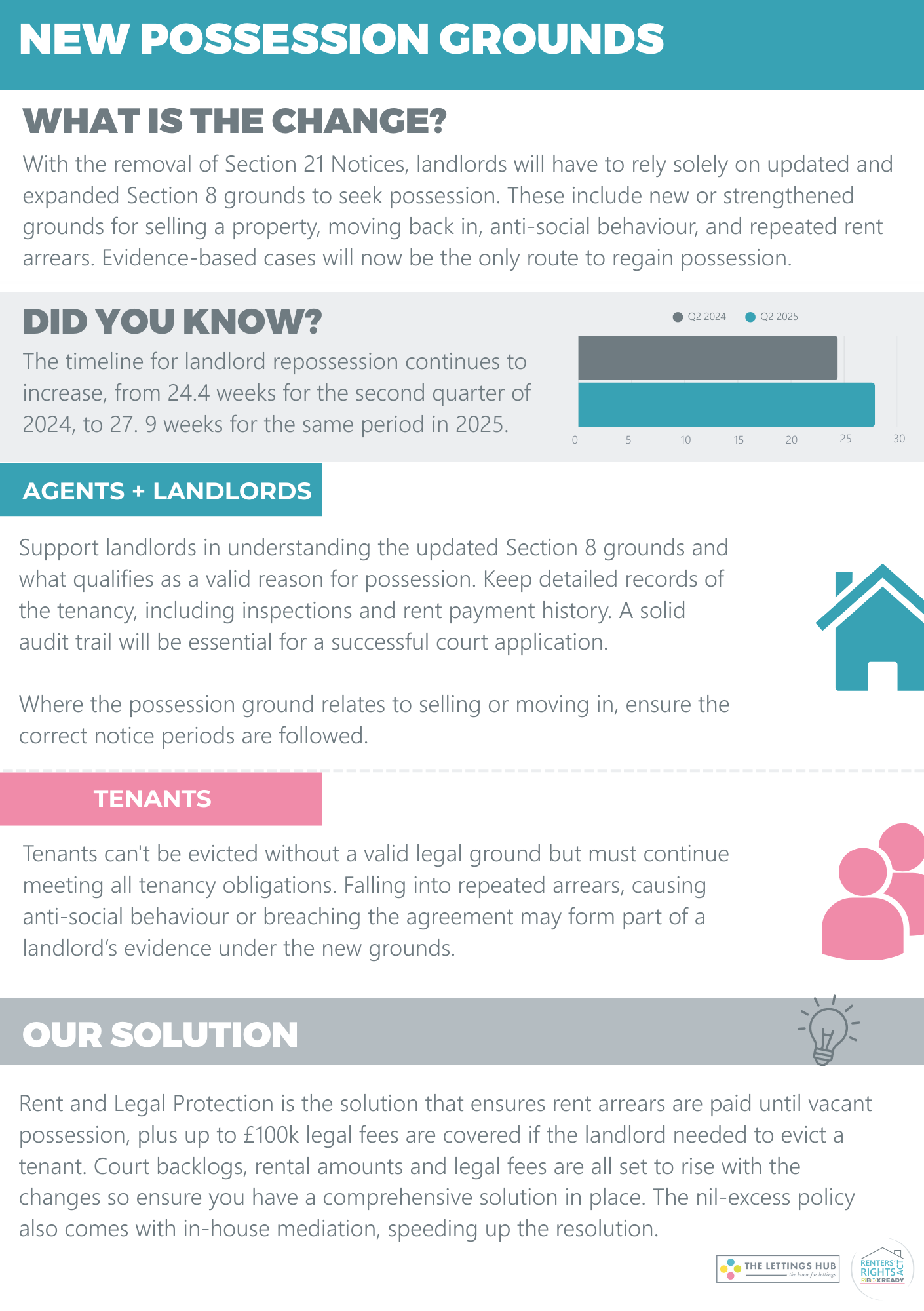
By 31st May 2026, landlords and letting agents should have given tenants (who had a tenancy start prior to May 1st) a copy of a government-produced information sheet.
Let's Talk Lets | Infosheets, E-guides & Toolkits
FAQs
Tenancy Structure & Possession
Rent & Payments
The short answer, no from the 1st May. Eviction will become evidence-based. So, agents/landlords must solely rely on a Section 8 Notice.
From the 1st May, tenancies will become assured periodic tenancies. This does not mean that within the standard agreement there won’t be contract terms as there is now. Tenants are required to give at least two months notice, ensuring landlords have enough time to re-market the property. This change just provides more flexibility for both tenants and landlords.
With affordability under pressure across the UK, the removal of fixed terms allows tenants who may face temporary financial difficulties to serve notice before falling into rent arrears, helping to protect both parties.
Additionally, the average tenancy length continues to rise, now exceeding three years, well beyond the typical 12-month tenancy agreement, and this trend is expected to continue over the next 12 months, despite the move to periodic tenancies.
No. Existing tenancy agreements do not need to be replaced. This has been a major misconception, as many were expecting that new tenancy agreements would need to be issued overnight. However, this is not the case.
All current fixed-term and periodic ASTs will automatically convert into the new periodic tenancy model, regardless of their end date and agents will be required to issue the guidance provided by the Government in Spring 2026.
Yes. It is expected that by 31st May 2026, landlords must give existing tenants a copy of a government-produced information sheet, which is set to be published in early 2026. Agents should prepare to build this into their communications plans.
This is one of the most important rules to consider now.
If a landlord serves a valid Section 21 notice before 1st May 2026, it remains valid.
The notice may still be acted upon after 1st May, provided the notice was served correctly, it has not expired and all procedures were followed.
After 1st May, no new Section 21 notices can be issued.
If a Section 21 notice served expires by 1st May, it becomes invalid and a
Section 21 can not be re-issued.
The tenancy will not end unless it is ended by the tenant, or it is ended by a Section 8 notice, using one of the expanded grounds. Once the fixed term finishes, then the tenancy simply becomes a periodic tenancy.
The Act abolishes Section 21 ‘no-fault’ evictions, but it does not remove landlords’ ability to regain possession. Landlords can still use strengthened Section 8 grounds, for example, if they need to sell the property, move in themselves, deal with rent arrears, or address serious anti-social behaviour.
Tenants must continue to comply with their tenancy agreement, and landlords can take action if it is breached. The change ensures that evictions are based on a clear, lawful reason, rather than removing landlords’ rights entirely.
While this reform is not expected to speed up the eviction process—it may even lengthen it slightly—having solutions such as Rent and Legal Protection provides peace of mind. Landlords can be confident that rent is covered each month, and legal fees are protected, potentially saving up to £13,500 per eviction.
PBSA operators can still offer fixed-term tenancies and reclaim possession annually.
However, private landlords with HMOs will need to rely on Section 8 grounds, including the new Ground 4A, which adds administrative complexity and legal risk.
Agents should ensure landlords understand this distinction and structure their tenancy processes accordingly.
Yes, but:
Only once per year.
Only by using a Section 13 process.
Tenants are able to challenge excessive increases at tribunal – which created some uncertainty and criticism during the debate stages in Parliament.
Landlords used to percentage-based increases written into agreements may find the formal Section 13 process unfamiliar, so agents will need to guide them carefully.
In reality, rent in advance was often requested for overseas tenants, students, or those newly self-employed, but the aim of the reform is to prevent exclusionary practices, not reduce access to housing.
Solutions like a Professional Guarantor give tenants a way to meet eligibility requirements if they don’t have a UK-based guarantor or don’t want to involve friends or family. It’s a low upfront cost, providing tenants with a simple solution while giving landlords additional protection and peace of mind.
Pets & Property Use
From 1st May, tenants have the right to request a pet in their property. The Act does not give tenants an automatic right to keep one, but landlords must consider the request fairly and can only refuse for a reasonable reason.
Landlords can refuse a request for a pet under the following circumstances:
Superior Landlord/Freeholder Restrictions: If the landlord is a leaseholder and their own lease agreement prohibits pets, this is an acceptable reason to refuse.
Property Suitability: The property is too small for the specific pet, such as a large dog in a small flat, or lacks adequate outdoor space.
Health and Safety Risks: Another resident in the building has a severe, documented allergy.
Nuisance or Welfare Concerns: The pet is likely to cause significant noise, odors, or nuisance to neighbors, or there are concerns about the welfare of the animal.
Incomplete Information: The tenant fails to provide necessary information about the pet (breed, size, etc.) or fails to respond to requests for further information.
Illegal Pets: The animal is illegal to own.
General Dislike: A blanket policy of not liking pets.
General Concerns: A general fear that damage might happen in the future without evidence regarding the specific pet.
Past Issues: Negative experiences with previous, different tenants’ pets.
Prospective Tenants: While the rules apply to existing tenants, landlords are not required to accept applications from prospective tenants with pets.
Property Upkeep
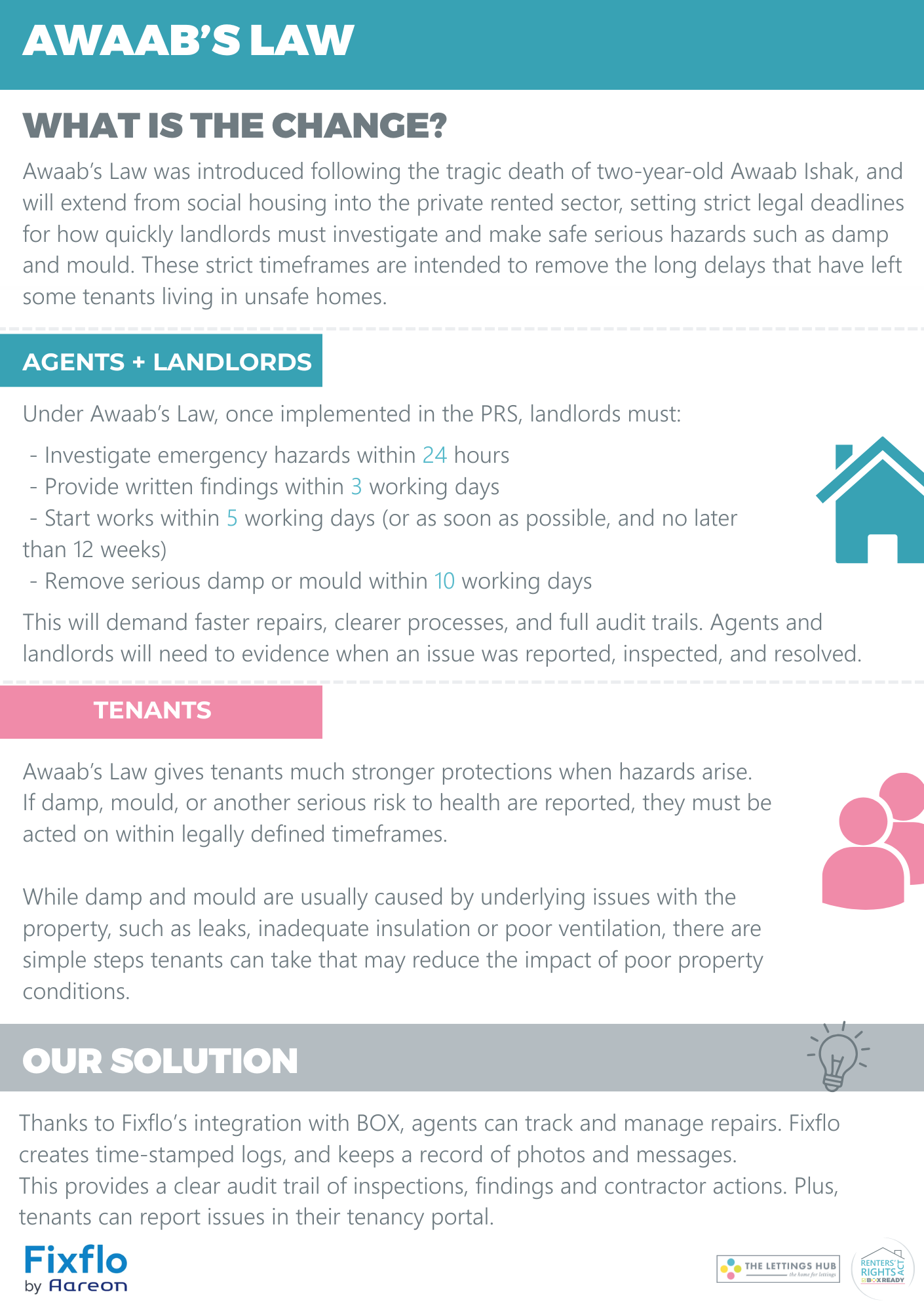
Awaab’s Law creates specific time-based obligations, the Decent Homes Standard focuses on property condition at the point of letting. Together, they shift responsibility firmly onto landlords to maintain homes proactively rather than reactively.
Landlords already have a legal obligation to fix damp and mould before Awaab’s Law applies to the private rented sector, but the specific new statutory deadlines under Awaab’s Law do not yet apply to private landlords.
Enforcement & Local Authorities
As of the 27th December, the first changes of the bill came into force. These first set of changes were less about the future policy, and more about how the rules are enforced today.
What does this mean for agents? Local authorities now have stronger, faster, and more flexible powers to act against non-compliance in the private rented sector, moving towards a model where good practice is expected, not optional.
For landlords and letting agents who already prioritise compliance, these reforms provide reassurance that standards are being applied consistently across the market. Understanding these changes — and responding proactively — is now an essential part of operating successfully in the sector.
Discrimination & Tenant Selection
Landlords can manage risk by focusing on objective, lawful criteria rather than personal characteristics. This means using clear affordability checks, verified income, credit history, and references applied consistently to all applicants, keeping written records of decisions. Using Rent & Legal Protection, professional referencing services, and clear tenancy management processes can further reduce risk, while training and documented policies help ensure compliance with non-discrimination rules and protect landlords if decisions are challenged.
Impact On Supply
While the Act does not expressly force landlords to sell, it certainly tightens the rules around possession, repairs, and tenant rights. Smaller landlords, particularly those with heavily mortgaged properties and/or older homes, may feel squeezed by new compliance obligations. The fear is that regulatory burdens and the loss of “eviction flexibility” could reduce the number of private landlords, thereby shrinking supply and pushing up rents.
Source: JMW Solicitors