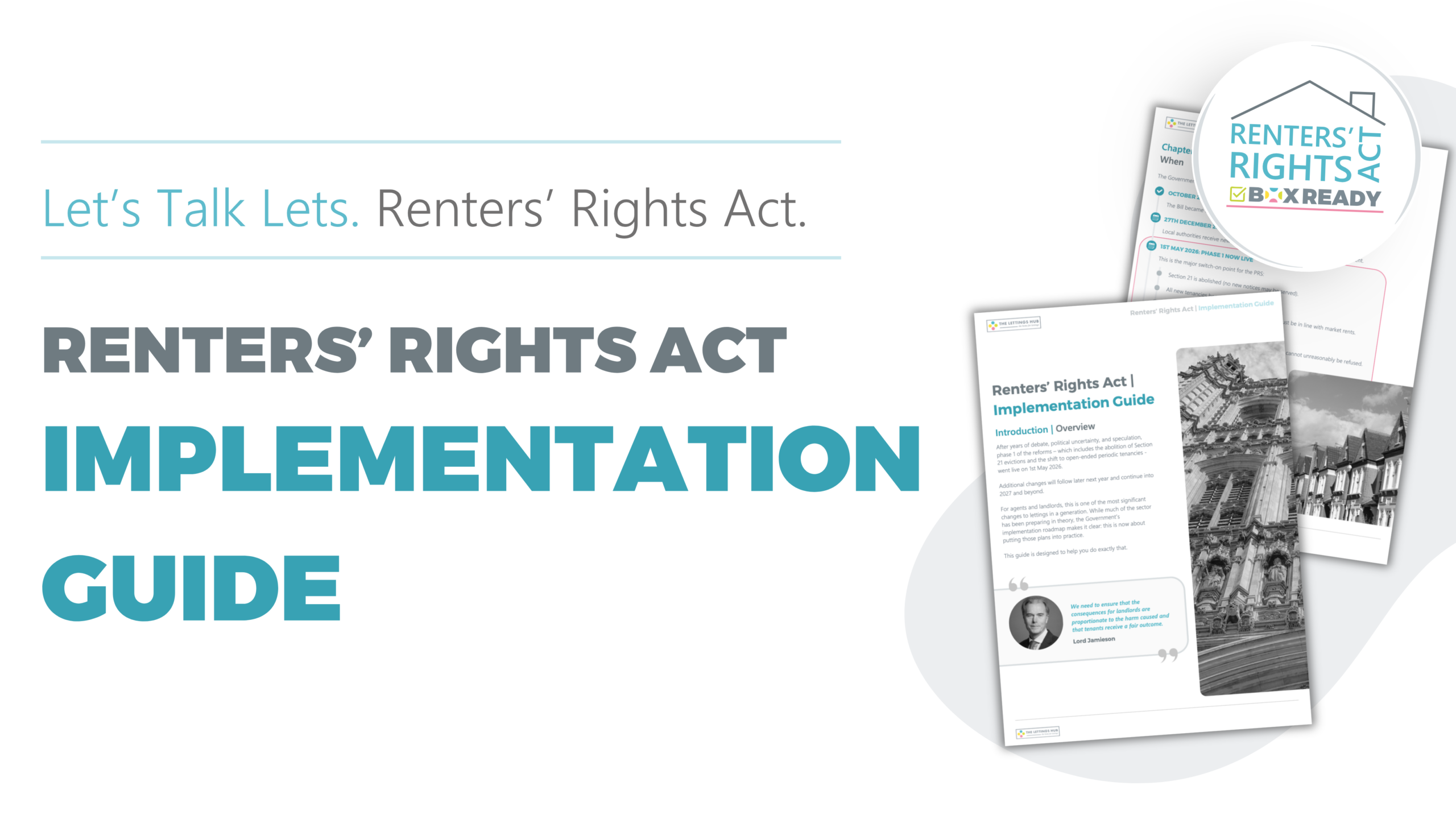
Renters’ Rights Hub
Get the latest news from us on the Renters’ Rights Bill including Government updates, blogs, podcasts, e-guides, infosheets and more!
Discover more
What’s the difference, and which is best for your tenancy? A guarantor can make the difference between a tenancy going ahead and an otherwise suitable applicant being turned away. But while personal guarantors have traditionally been the most familiar option, professional guarantor services are offering tenants and landlords another way forward. For letting agents, understanding the differences between the two is becoming increasingly important, particularly as rising rents, changing financial circumstances and the Renters’ Rights Act reshape the private rented sector. So, what are the advantages and limitations of each, and how can agents help landlords make the right decision? Why might a tenant need a guarantor? Landlords may ask for a guarantor where they want additional financial reassurance before agreeing to a tenancy. This could be because an applicant doesn’t meet the usual affordability criteria, has a limited credit history or if their income is difficult to assess through traditional referencing. Students, people starting their careers, self-employed applicants and those moving to the UK may all find themselves in this position. However, needing a guarantor doesn’t necessarily mean someone is a high-risk tenant; they may have a reliable income and a good rental history, but their circumstances don’t fit neatly into standard referencing requirements. But, having a guarantor provides an additional layer of security, offering landlords a safety net if the tenant doesn’t pay their rent, or leaves the home with damage. However, the type of guarantor, and the protection they provide vary. The traditional approach: Personal guarantor A personal guarantor is often a family member or close friend who agrees to take financial responsibility if a tenant fails to pay their rent or meet other obligations covered by the guarantee. For many tenants, asking a parent or relative to act as guarantor is a straightforward solution, particularly where that person has a stable income and meets the landlord’s affordability requirements. Personal guarantors are familiar to most letting agents, and where the appropriate checks and documentation are in place, they can provide valuable reassurance. However, there can be potential complications. Firstly, not every tenant has someone they can ask; even where a relative or friend is willing to help, they may not meet the required financial criteria. For example, a retired parent may own their home outright but without regular income, may not meet the affordability assessment. There is also the question of whether personal guarantors fully understand the commitment they’re making. Depending on the terms of the agreement, their liability could extend beyond unpaid rent to other tenancy obligations, potentially continuing for a considerable period. Where a guarantor has agreed to joint and several liability, the financial consequences can be particularly significant. For letting agents, it’s essential that personal guarantors understand the agreement, have been appropriately assessed and have signed legally effective documentation. And if something does go wrong, recovering money from an individual can be challenging, particularly if their circumstances have changed or they become difficult to contact. An alternative route: Professional guarantor A professional guarantor provides a similar form of financial reassurance, but through a specialist organisation rather than an individual. Instead of asking a family member or friend to accept personal liability, the tenant pays a fee to a professional provider, which agrees to act as guarantor. This can be particularly useful for tenants who don’t have access to a suitable personal guarantor – such as if they’re an overseas student. It can also remove the awkwardness of asking someone close to them to take on a potentially substantial financial commitment. Meanwhile, for landlords, a professional guarantor can provide a more structured approach to managing risk, with much more straightforward arrangements for dealing with claims. Professional guarantor services tend to be insurance-backed, offering additional reassurance about the financial protection available. However, not all products provide the same cover, so it’s important to understand exactly what’s included. Personal vs professional guarantors: what should agents consider? A personal guarantor may be perfectly suitable where a tenant has a willing family member who meets the necessary criteria and understands the responsibilities involved. But where no suitable individual is available, a professional guarantor may offer a practical alternative. There are several important differences to consider. How does the Renters’ Rights Act affect guarantors? The Renters’ Rights Act has introduced significant changes to the way tenancies operate in England, including the move away from fixed-term assured tenancies and restrictions on rent in advance. These changes make it particularly important to consider how guarantor arrangements work over the lifetime of a tenancy. For personal guarantors, it reinforces the importance of explaining the potential duration of their commitment. For professional services, agents should check how long the protection lasts, whether it renews and what happens if the tenancy continues beyond the initial period of cover. The changes to rent in advance also make it useful for tenants to understand the alternatives available when a landlord wants additional financial reassurance. However, a guarantor should never be treated as a substitute for appropriate referencing or a way to avoid statutory requirements. What should agents look for in a professional guarantor service? With different products available, it’s important to look beyond the headline promise of a guarantee. One of the first questions is whether the service is insurance-backed and what financial protection is actually provided. Does it cover rent arrears? Are there provisions for property damage or legal expenses? What are the limits and exclusions? Agents should also consider how claims are handled, what evidence is required and how quickly the provider responds. Another important consideration is the duration of the agreement; with assured tenancies now operating on a periodic basis, a product that only provides protection for a limited period would need to be renewed or replaced for cover to still be in place. It’s also worth checking what happens if the tenant’s circumstances change or the tenancy continues for several years. And of course, the cost and eligibility criteria should be clearly explained to the tenant. A professional guarantor can provide valuable Making moving more affordable Moving home is exciting. It’s the start of a new chapter and, for many tenants, an opportunity to move into a home that better suits their lifestyle or circumstances. But unfortunately, it’s also expensive. Before they’ve even unpacked their first box, tenants may have paid a holding deposit, a tenancy deposit, the first month’s rent, removal costs and a variety of other expenses, from broadband set-up to household essentials. At the same time, landlords face pressures of their own. Rising repair costs, increasingly sophisticated tenancy fraud, affordability concerns and ever more complex legislation mean that protecting their investment has never been more important. But these two challenges shouldn’t conflict with each other. There should be ways to make moving more affordable for tenants without asking landlords to accept greater financial risk. Using technology, faster processes and better support can simplify the moving journey while maintaining the robust checks and safeguards landlords rightly expect. In many cases, improving the tenant experience also improves outcomes for landlords and letting agents. So, how can agents make moving simpler, faster and more affordable without increasing risk? Why has moving become so expensive? For many tenants, it’s not just the monthly rent that costs a lot of money. It’s everything that comes before it. While tenancy deposits and the first month’s rent are the most obvious costs, they’re not the only ones. Removal vans, storage, broadband set-up, cleaning products, replacement furniture, travel costs and even time off work to deal with all the administration can place additional pressure on household budgets before the move has even taken place. Although legislation limits the amount landlords can take for tenancy deposits and holding deposits, moving home still costs a lot of money upfront, particularly in areas where rents are higher. And these costs often arrive all at once, making affordability one of the biggest barriers to moving home. However, reducing these pressures doesn’t have to come at the expense of landlord protection. Why landlord protection still matters While it’s important to recognise the financial pressures tenants face, landlords also take on significant risk every time they rent a property out. A rental property is often worth hundreds of thousands of pounds and generates an income that many landlords rely upon to meet mortgage payments, maintenance costs and other financial commitments. Therefore, choosing the wrong tenant, or failing to identify warning signs during the application process, can have serious financial consequences. Robust tenant referencing remains one of the most effective ways to reduce these risks. Verifying identity, assessing affordability, confirming employment and identifying potential fraud all help landlords make informed decisions before a tenancy begins. However, additional services, such as Professional Guarantor, Rent and Legal Protection and Tenant Home Insurance, can provide further reassurance when unexpected situations arise. The aim shouldn’t be to remove these safeguards in an attempt to reduce upfront costs. Instead, it’s about making the process more efficient, removing duplication, embracing digital technology and helping tenants access practical support throughout their moving journey. Protecting landlords and supporting tenants aren’t opposing objectives. After all, they’re two sides of the same successful tenancy. Practical ways to make moving easier Fortunately, there are plenty of opportunities for letting agents to improve the moving experience without compromising protection for landlords. Helping tenants save money on the wider cost of moving Making moving more affordable doesn’t always mean reducing tenancy costs. Often, it’s about helping tenants spend less on everything else that comes with moving home. We can provide practical support for tenants that extends well beyond the tenancy agreement itself, helping tenants arrange removals, utilities, broadband and a range of other essential services. By introducing tenants to trusted providers and exclusive offers, agents can help reduce the overall cost of moving while creating a much smoother customer experience. Examples might include discounts on removal services, self-storage, utility switching, broadband and TV packages, cleaning products, household subscriptions and even housewarming gifts. While no single discount transforms the cost of moving, together they can make a meaningful difference. More importantly, by introducing these offers to your tenants, you can demonstrate that you’re thinking about their wider moving journey, not simply the tenancy itself. Our tenant discounts webpage is a great example of how agents can add value beyond referencing, helping tenants settle into their new home while strengthening relationships from day one. Great customer experiences benefit everyone Helping tenants move quickly, confidently and with fewer unexpected costs doesn’t simply improve customer satisfaction. It also benefits landlords because a smoother moving journey can help reduce fall-throughs before move-in, speed up tenancy progression and improve communication throughout the application process. It can also reduce unnecessary administration and help build trust between tenants and agents from the very beginning. Meanwhile, when tenants feel informed and supported, they’re more likely to arrive at their new home feeling positive about the tenancy they’ve just entered. Landlords benefit from knowing that robust checks have been completed, risks have been assessed and their property remains properly protected. And the result is exactly what every letting agent is striving for: a successful tenancy that gets off to the best possible start. Protection and affordability can work hand in hand Moving home will probably never be inexpensive, but it can be simpler. By embracing digital technology, reducing unnecessary delays and helping tenants access practical support throughout their moving journey, agents can remove many of the frustrations that make moving feel overwhelming. Importantly, none of this requires landlords to accept greater risk. Robust referencing, appropriate landlord protection products and clear processes can continue to safeguard their investments, while practical support and access to exclusive discounts can help tenants manage the costs of moving. From digital referencing and landlord protection solutions to exclusive tenant discounts, our services are designed to support agents, landlords and tenants throughout the moving journey. Could you defend your landlord’s decision to refuse a pet? “Can I keep a cat?” It sounds like one of the simplest questions a tenant can ask. However, for one landlord, that question became an early test of the Renters’ Rights Act’s new approach to pets in rented homes. And it should make letting agents and landlords rethink what could happen if they refuse a request, or try to attach conditions that aren’t allowed under the legislation. What happens if a tenant challenges the decision? And if landlords can no longer rely on blanket “no pets” policies, how can they protect their property from the very real risks that concern them most? What one cat can teach us about pet requests One of the early reported examples of how pet requests are being misunderstood under the Renters’ Rights Act didn’t involve a dangerous dog or an exotic animal. It involved a domestic cat called Marshy. The tenant, who lived in a one-bedroom flat, asked her landlord for permission to move her furry friend in with her. However, the request was refused on the grounds that the property was unsuitable for a pet. Rather than accepting the decision, the tenant sought support from AdvoCATS, a charity that helps renters understand their rights around pet ownership. The charity helped the tenant understand how the new pet provisions are intended to operate, and why broad concerns about the size of a property, without considering the individual circumstances of the animal, may not be enough to justify a refusal. Following the challenge, the letting agent agreed to grant permission for the cat. However, the agreement came with conditions. The tenant was told she would need to take out pet damage insurance and arrange for the property to be professionally cleaned at the end of the tenancy, using the landlord’s chosen contractor. But the tenant challenged those conditions too, arguing that they were inconsistent with the rules. The case attracted attention because it highlights some important questions for agents and landlords. When can a pet request reasonably be refused? What conditions can legitimately be attached to granting permission? And how can landlords protect themselves against the risks that concern them most? For landlords, the story may reinforce concerns that the Act means they are losing the ability to decide what happens inside their own property. Meanwhile, for tenant groups, it represents an important step towards giving responsible renters greater freedom to enjoy family life with pets. Whichever side of the debate you sit on, one thing is clear: pet requests are no longer simply a matter of preference. They’re a compliance issue. A pet request is now a risk assessment exercise For years, many landlords adopted a straightforward “no pets” approach. It reduced uncertainty, protected the property and avoided difficult conversations that could arise later in a tenancy. However, the Renters’ Rights Act has changed that approach. Since May 2026, tenants with assured tenancies in England have had a statutory right to request permission to keep a pet. Landlords must consider requests reasonably and cannot simply refuse because they don’t like the idea of animals in their property. Requests must be made in writing, and landlords will generally have 28 days to respond, although there are circumstances where this period can be extended. Rather than simply refusing a request, landlords are expected to consider each application on its own merits and, where permission is refused, be able to demonstrate that their reasons are reasonable. Broad concerns about potential damage or general policies against pets aren’t enough to justify refusing every request. Instead, the decision should be evidence-based and fair, rather than assumption-based. For agents, that means helping landlords move away from blanket policies and towards well-reasoned, well-documented decision-making. Are landlords worried about the pet, or are they worried about the damage? One of the messages to emerge from the Marshy case is that the debate isn’t really about cats or dogs. It’s about the risk of damage. Landlords worry about scratched flooring, damaged doors, stained carpets, chewed skirting boards, unpleasant odours and expensive cleaning bills. They worry about complaints from neighbours, damage to communal areas and the possibility of lengthy disputes at the end of a tenancy. These concerns are entirely understandable. The challenge is that the legislation doesn’t remove those risks. Instead, it changes how landlords are expected to manage them. That’s where letting agents can add significant value. Agents can help landlords make informed decisions by ensuring they have a clear understanding of the tenant and the particular animal involved. Comprehensive referencing, affordability assessments, identity verification and previous landlord references all help paint a picture of the person behind the application. While good referencing can’t guarantee that a pet won’t cause damage, a positive tenancy history can provide some reassurance about how responsibly an applicant has managed their previous home. The question becomes less about whether the landlord likes pets and more about whether there are reasonable grounds to refuse this particular request. Protect the property, not just the decision The Marshy case also prompted questions about the conditions landlords can attach to granting permission. Under the Renters’ Rights Act, landlords cannot require tenants to purchase pet damage insurance as a condition of allowing a pet. Likewise, requiring a tenant to use a particular professional cleaning contractor at the end of the tenancy may conflict with the restrictions on permitted payments. This means that the best protection may come long before a dispute arises. A detailed inventory, supported by photographs, provides an accurate record of the property’s condition at the start of the tenancy. Regular inspections allow issues to be identified early, while clear communication helps ensure tenants understand their responsibilities throughout the tenancy. Tenants remain responsible for damage caused by their pets, and landlords can seek appropriate deductions from tenancy deposits where damage goes beyond fair wear and tear. Tenant’s Home Insurance may also provide valuable reassurance by helping protect against accidental damage, including damage caused by pets, depending on the Awaab’s Law vs the Decent Homes Standard Letting agents are already getting to grips with a whole range of new rules and regulations under the Renters’ Rights Act. But alongside these changes, agents also need to prepare for new requirements concerning the standards of rental homes and how tenant concerns are responded to. Two important reforms are Awaab’s Law and the revised Decent Homes Standard. Both are intended to improve housing conditions, and both will extend to the private rented sector. However, there seems to be a lot of crossover between the two, so what exactly is the difference, and what should letting agents be preparing for? What’s changing Awaab’s Law creates strict time limits for landlords to investigate and address serious hazards, starting with damp, mould and emergency hazards. Meanwhile, the Decent Homes Standard is being reformed and extended to the private rented sector, creating a minimum standard for rented homes. Put simply, Awaab’s Law focuses on how quickly landlords respond to hazards, while the Decent Homes Standard focuses on the condition of the property itself. Together, the reforms are intended to ensure that tenants have safe, healthy and well-maintained homes, while encouraging landlords to manage property conditions proactively rather than waiting for problems to arise. Awaab’s Law Awaab’s Law is named in memory of two-year-old Awaab Ishak, who died in 2020 following prolonged exposure to damp and mould in his family’s social rented home. His death highlighted the serious health risks associated with poor housing conditions and the consequences of failing to respond appropriately when tenants raise concerns. The legislation came into force for social housing landlords in October 2025, initially covering significant damp and mould and emergency hazards. It introduces legally binding timeframes for investigating hazards, communicating findings and completing the necessary work to make properties safe. Under the current social housing requirements: There are also requirements concerning further preventative work and alternative accommodation where a property cannot be made safe within the required timeframe. The intention is to remove the delays and uncertainty that too often leave tenants living in unsafe homes. Awaab’s Law in the Private Rented Sector Although Awaab’s Law currently applies to social housing, the Renters’ Rights Act provides for its extension to private landlords. The Government launched a consultation in October 2026 on how the requirements should apply to the private rented sector, including the hazards covered and the timescales for responding. The consultation closes on 18 December 2026, and an implementation date has not yet been confirmed. Therefore, whilst the social housing deadlines shouldn’t be treated as current legal requirements for private landlords, the direction of travel for letting agents is clear: agents and landlords will need to be ready to respond to serious hazards within defined timescales, while maintaining detailed records of the action taken. How the Decent Homes Standard fits in Alongside Awaab’s Law, the Government is modernising and extending the Decent Homes Standard. Originally designed for social housing, the revised standard will apply to the private rented sector for the first time, setting a more consistent benchmark for rented properties. The aim is to ensure homes meet minimum criteria covering their state of repair, facilities, thermal comfort and the presence of serious hazards, including damp and mould. While Awaab’s Law creates specific time-based obligations, the Decent Homes Standard focuses on the condition of the property. For example, Awaab’s Law would determine how quickly a landlord must investigate and address a serious damp problem. The Decent Homes Standard would consider whether the property meets the required standards for housing quality, including the conditions that could contribute to damp and mould in the first place. Why agents and landlords should care Although both reforms are still being developed for the lettings sector, they will have significant implications for property management. Enforcement pressure is rising: Awaab’s Law will introduce legally enforceable response deadlines, while the Decent Homes Standard will establish clearer minimum requirements for rental properties. Damp and mould will require greater attention: Agents will need to ensure concerns are properly investigated, with action taken to address underlying causes rather than simply treating visible symptoms. Health risks cannot be overlooked: Government guidance highlights the serious health consequences associated with damp and mould, particularly for children and people with existing health conditions. For letting agents, this means greater responsibility for managing repairs efficiently, recording tenant communications and ensuring contractors can meet the expected response times. It will no longer be enough to simply log a repair request. Agents will need to demonstrate when it was received, when the issue was investigated and what action followed. Damp and mould are just lifestyle issues, aren’t they? No. Government health guidance makes clear that landlords should investigate and address the underlying causes of damp and mould, including building-related problems. Moisture from everyday activities isn’t automatically a tenant breach, and it shouldn’t be assumed that condensation or mould is simply the result of how someone lives. Instead, agents should consider factors such as ventilation, insulation, heating, leaks and the general condition of the property. For example, it may be worth checking whether extractor fans are working properly, whether trickle vents are functioning, whether gutters need repairing or whether insulation problems are creating cold surfaces where condensation develops. Tenants should also understand how to use ventilation and heating systems appropriately, but providing advice shouldn’t replace investigating the property itself. Getting to the root of the problem is essential if landlords want to prevent the same issues returning. What letting agents should do now Even though the implementation dates for the private rented sector haven’t yet been confirmed, getting ahead of the new requirements starts now. 1. Understand your properties | Consider completing an audit of your managed portfolio, identifying properties with recurring damp, mould or thermal comfort issues. Check the general state of repair, ventilation, facilities and any previous maintenance concerns. Where potential hazards are identified, investigate the underlying causes and arrange appropriate remedial work. 2. Prepare to adopt response targets | Review how quickly your team currently responds How agents can support landlords before April 2027 Making Tax Digital might sound like something for your landlords and their accountants to worry about. But with thousands more landlords due to be brought into the system from April 2027, is it really something letting agents can afford to ignore? After all, you collect their rent, understand their portfolios and probably communicate with them more regularly than their accountants do. You don’t need to become a tax expert. But understanding what’s changing, who could be affected and how you can help landlords prepare is another way to demonstrate the value of a professional letting agent. And Making Tax Digital isn’t just relevant to landlords. It’s already influencing how some self-employed tenants and guarantors provide evidence of their income during referencing. What is Making Tax Digital? Making Tax Digital (MTD) for Income Tax changes how landlords and sole traders record and report their income and expenses to HMRC. Since April 2026, landlords and sole traders with qualifying income above £50,000 have been required to use compatible software to maintain digital records, submit quarterly updates and complete their annual tax returns. However, from April 2027, that threshold will fall, bringing many more landlords into the system. For those affected, keeping financial records will become a more regular activity rather than something they deal with once a year when their accountant asks for receipts and statements. However, there’s an important distinction. Quarterly updates aren’t four separate tax returns. They’re summaries of income and expenses generated from digital records, with the final tax calculation and any relevant adjustments completed through the annual tax return. And importantly, Making Tax Digital doesn’t mean paying Income Tax four times a year. The existing Self-Assessment payment deadlines remain unchanged. Which landlords will be affected? Making Tax Digital for Income Tax is being introduced in stages: For the April 2027 introduction, HMRC will assess qualifying income using information from the landlord’s 2025/26 Self-Assessment tax return. One of the most important things landlords need to understand is that qualifying income is based on gross income, not profit. For example, a landlord might receive £35,000 in annual rental income, but after management fees, maintenance costs and other expenses, their actual profit could be considerably lower. Nevertheless, it’s the qualifying income before those expenses that matters when determining whether Making Tax Digital applies. Property income isn’t necessarily considered in isolation, either. If someone receives £22,000 in qualifying rental income and another £15,000 from self-employment, their combined qualifying income would be £37,000, potentially bringing them within MTD from April 2027. Income from employment through PAYE isn’t included in that qualifying-income calculation. There are exemptions for some individuals, so landlords should check their circumstances with HMRC or their accountant. What does quarterly reporting actually involve? Landlords within Making Tax Digital will need to keep digital records of relevant property income and expenses, using compatible software to send quarterly updates to HMRC. For those using standard tax-year reporting periods, the deadlines are 7 August, 7 November, 7 February and 7 May. Each update is cumulative, covering the period from the beginning of the tax year rather than simply reporting the previous three months. Therefore, if a landlord discovers an error in their records, they can generally correct it and have the revised information reflected in their next quarterly update. There is some reassurance for those already using the system. HMRC has confirmed that it won’t apply penalty points for late quarterly updates during the 2026/27 tax year, although the obligation to keep records and submit updates remains. Ultimately, the biggest change is the move towards maintaining accurate financial information throughout the year, rather than gathering everything together at the last minute. Your landlord’s tax isn’t your job. Supporting your landlord is Letting agents aren’t accountants, and you shouldn’t be calculating landlords’ tax liabilities, determining their eligibility for exemptions or advising them on how to structure their finances. However, providing a professional service has increasingly become about more than collecting rent and arranging repairs. Your landlords are already navigating changes to tenancy legislation, property standards, compliance obligations and operating costs. Making Tax Digital is another development they need to understand. They won’t necessarily expect you to solve every challenge, but they may reasonably expect you to know what’s coming. So, when a landlord asks about Making Tax Digital, there’s a difference between simply telling them to speak to their accountant, and saying: “Making Tax Digital is expanding again next April. Have you checked whether you’ll be affected and spoken to your accountant about what you’ll need in place? We can also help by making sure your rental statements are easy to access.” It’s a small conversation, but it demonstrates that you’re paying attention to the things affecting their property business. And because letting agents already hold important information about rental income, management charges and maintenance costs, there’s an opportunity to make the reporting process even easier for your landlords. That doesn’t make you responsible for their MTD compliance. It simply means ensuring the information you provide is accurate, accessible and available when they need it. What should letting agents be doing now? With the next threshold reduction approaching, now is a sensible time to start conversations with landlords who may be affected. You could include a reminder about Making Tax Digital in your landlord communications, explain the difference between income and profit, and encourage landlords to check whether their property and self-employment income could bring them within the new threshold. It’s also worth reviewing your own processes. Can landlords access their rental statements easily? Are management charges and other transactions clearly recorded? Can your team explain the basics of MTD without straying into individual tax advice? Landlords should also be encouraged to speak to their accountants about software, digital record-keeping requirements and any exemptions that may apply. Ultimately, you don’t need to manage their tax affairs to make their lives a little easier. Making Tax Digital could affect tenant referencing aswell There’s another reason letting agents Could you spot the warning signs before it’s too late? Five applicants, five bank statements and one rental property. Everything appeared legitimate until fraud-detection technology revealed that all five statements had been created from the same original document. The discovery stopped a potentially fraudulent tenancy before it began, protecting the landlord from possible losses estimated at up to £40,000. It’s a striking example of how sophisticated rental fraud can be – and why letting agents need to look beyond affordability when assessing tenancy applications. While cannabis farms are often associated with abandoned warehouses or industrial buildings, organised criminals also target ordinary residential properties, and the consequences for landlords can be devastating. From structural damage and dangerous electrical alterations to lost rental income and lengthy legal proceedings, discovering a cannabis farm can turn a valuable investment into a huge financial liability. So, how can letting agents recognise the warning signs, and what should they do if they suspect a property is being used for illegal cultivation? When five applicants turned out to be one A recent case identified by fraud-detection specialists within The Lettings Hub’s wider group demonstrates how convincing fraudulent applications can appear. Five individuals applied together for a four-bedroom rental property in the South-East. Each submitted a bank statement to demonstrate their income. At first glance, the documents appeared credible. However, the statements shared some unusual similarities. When examined using fraud-detection technology, it became clear that all five were altered versions of the same original document. One individual had repeatedly changed names and transactions to create the appearance of five separate applicants with independent incomes. This wasn’t simply a minor discrepancy or an applicant exaggerating their earnings. This was coordinated, and raised serious concerns about organised fraud and the possibility that the property was being targeted for criminal activity, potentially including conversion into a cannabis farm. The application was stopped before the tenancy began. Although the case didn’t establish that a cannabis farm would definitely have been created, but it does demonstrate why comprehensive referencing is about much more than confirming whether an applicant can afford the rent; and the intervention could have protected the landlord from potential lost rent and property damage estimated at up to £40,000. Why are cannabis farms such a serious risk for landlords? Cannabis cultivation in rented properties isn’t simply a matter of tenants breaching their tenancy agreements. Large-scale operations can involve organised criminal networks, fraudulent identities, electricity theft, money laundering and human exploitation. Residential properties can be attractive to criminals because they allow those organising the operation to distance themselves from the premises. Several properties may be rented simultaneously to spread the risk, sometimes using false identities or apparently legitimate applicants acting on behalf of others. And once a property has been converted into a cannabis farm, the damage can be extensive. The hidden cost of a cannabis farm Cannabis cultivation requires substantial amounts of heat, light, moisture and ventilation. To accommodate these requirements, criminals may make significant alterations to a property, including: These alterations can create serious safety hazards. Unsafe electrical installations and overloaded circuits increase the risk of fire and electrocution, potentially putting neighbouring properties and occupants at risk. Meanwhile, excessive moisture can cause condensation, mould and damage to plasterwork, flooring and ceilings. Water leaks from cultivation systems may also affect adjoining homes. Even after a cannabis farm has been discovered, landlords may face significant delays before they can recover and repair their property. Police investigations, insurance assessments and possession proceedings can all contribute to prolonged periods without rental income. And landlords shouldn’t assume their insurance will automatically cover the damage. Policy exclusions, claim limits and inspection requirements may all affect whether a claim is successful. Could you spot a fraudulent tenancy application? One of the most effective ways to reduce the risk of a cannabis farm is to identify suspicious activity before the tenancy begins. But as our case study demonstrates, fraudulent applications can be remarkably convincing. Organised criminals may use falsified identification, altered bank statements, invented employment details or apparently genuine applicants who have no intention of living at the property. Some warning signs worth investigating include: Of course, none of these indicators automatically proves criminal intent, and there may be perfectly reasonable explanations for individual discrepancies or unusual requests. However, where concerns arise, agents should investigate them appropriately rather than overlooking potential warning signs simply because an applicant appears able to pay the rent. What are the warning signs once a tenancy has started? Even comprehensive referencing cannot eliminate every risk. A genuine applicant may subsequently allow someone else to occupy the property, or circumstances may change after the tenancy begins. This is why ongoing property management and regular, lawful inspections are crucial. There are several warning signs that could suggest a property is being used for cannabis cultivation. What should letting agents do if they suspect a cannabis farm? If an agent suspects that a property is being used for illegal cannabis cultivation, personal safety must come first. Cannabis farms can involve organised criminal activity, dangerous electrical installations and, in some circumstances, people who are being exploited or trafficked. Agents should never attempt to investigate suspected criminal activity themselves, confront occupants or enter a property unexpectedly; and where there is an immediate danger, the emergency services should be contacted. Agents should also take appropriate steps to protect the landlord’s interests. Prevention starts with better referencing While no referencing process can eliminate the risk of criminal activity entirely, thorough checks can help identify suspicious applications before a tenancy begins; and this means going beyond basic affordability calculations. Agents should seek to verify applicants’ identities, employment, income, addresses and rental histories, while ensuring that documents are authentic. Technology can play an important role: Open Banking and specialist fraud-detection tools can help identify manipulated financial information that may be difficult to spot through manual checks alone. However, technology should be supported by experienced human review, particularly where an application contains inconsistencies or unusual circumstances. The case of the five Why letting agents can’t afford to ignore maintenance As storms Austen and Boelo bring damaging winds, heavy rain and flooding to parts of the UK, letting agents could be facing an increase in maintenance requests. From leaking roofs and blocked gutters to water damage and heating failures, dealing with repairs promptly is essential. But as one real-life legal case demonstrates, failing to address property maintenance can have consequences far beyond the original repair bill. With autumn well underway and winter approaching, property maintenance is likely to be high on the agenda for letting agents and landlords. Recent storms have highlighted how quickly properties can be affected by severe weather, particularly where existing maintenance issues have been left unresolved. A blocked gutter might seem relatively insignificant during the summer months, but when heavy rain arrives, overflowing water can penetrate walls, damage internal finishes and contribute to damp and mould. Similarly, a loose roof tile that could have been repaired relatively easily may become a much more expensive problem following high winds. For letting agents, the challenge isn’t simply arranging repairs. It’s ensuring problems are identified, prioritised, documented and resolved before they escalate. And there’s a compelling financial reason to get this right. When property disrepair becomes a £40,000 legal dispute A real-life case shared by Woodstock Legal Services, demonstrates how unresolved repairs can complicate matters for landlords. Case study We were instructed to seek possession of the property due to a tenant being in rent arrears in excess of £10,000.00. The relevant possession notice was served on the tenant and court proceedings were later issued. At the possession hearing, the tenant told the Judge that he has a defence because the property was in disrepair. The judge adjourned the hearing and ordered the tenant to file a defence and counterclaim by a specific date. The tenant sought legal representation through legal aid and filed the defence and counterclaim seeking up to £40,000 in damages against the landlord for disrepair. In the counterclaim, the tenant alleged that the landlord knew necessary repairs were required but he failed to complete the repairs within a reasonable period and the property was not in a safe and habitable condition. Although a tenant should not refuse to pay rent in respect to any alleged despair, if the Judge deems the landlord is in breach of repairing obligation and fitness for habitation, the judge will likely offset any damages awarded to the tenant against the rent arrears later. This means that if the Judge awards damages to the tenant above the rent arrears sum, the rent arrears will be written off and the landlord will be ordered to pay the remaining balance to the tenant. If the landlord is relying on a Section 8 Notice for rent arrears grounds, the notice and possession claim can be severely impacted by the reduced arrears following a tenant’s successful counterclaim. In this case, the landlord previously managed the property themselves for several years before instructing a letting agent to take over management. Unfortunately, he had failed to keep an accurate record of any repairs completed and notices sent to the tenant requesting access. This case illustrates an important risk. Where a tenant successfully establishes a disrepair claim, damages may be offset against outstanding rent arrears. Depending on the circumstances, this could affect a landlord’s ability to rely on particular rent arrears grounds when seeking possession. What began as a straightforward attempt to recover unpaid rent had become a significantly more complicated legal dispute. And it demonstrates why dealing with repairs – and documenting the actions taken – should be a priority for every landlord and letting agent. What are landlords responsible for repairing? Under Section 11 of the Landlord and Tenant Act 1985, landlords have important responsibilities for maintaining rented properties. These generally include keeping the structure and exterior in repair, including roofs, gutters and external drainage, as well as maintaining installations for water, gas, electricity, sanitation, heating and hot water. Landlords also have responsibilities to ensure rented homes are fit for human habitation. During periods of severe weather, these obligations become particularly relevant. Storm damage can expose existing weaknesses in a property, while heavy rainfall may reveal problems that were previously less noticeable. However, responsibility for repairs isn’t always straightforward. For example, the statutory repairing obligation does not generally require landlords to rebuild a property destroyed by flooding or storms, although other legal obligations, tenancy terms and insurance arrangements may still be relevant. For agents, the important point is to understand the nature of the problem, establish who is responsible and take appropriate action. Five repairs to prioritise following severe weather Following storms or prolonged heavy rainfall, there are several areas where letting agents should pay particular attention. 1. Roofs, gutters and drainage | High winds can dislodge roof tiles, damage flashing and loosen guttering. Blocked or damaged gutters can also cause rainwater to overflow, potentially allowing moisture to penetrate external walls. Encouraging tenants to report visible damage promptly can help prevent more extensive problems. 2. Water ingress and damp | Water entering a property should never be dismissed as a minor inconvenience. Even a relatively small leak can damage plasterwork, flooring and furnishings, while persistent moisture can contribute to mould growth. Identifying and addressing the source of water ingress is essential, rather than simply treating the visible symptoms. 3. Heating and hot water | As temperatures fall, heating systems become increasingly important to tenants’ comfort and wellbeing. Agents should ensure reported faults are assessed promptly, particularly where vulnerable occupants may be affected. 4. Windows and external doors | Damaged seals, broken glazing and poorly fitting doors can allow rainwater and draughts into a property. These issues may also affect security and increase heat loss. 5. External hazards | Loose fencing, damaged walls, unstable trees and fallen debris can create safety risks following strong winds. Where there is an immediate danger, the priority should be making the area safe and arranging appropriate professional assistance. Why communication is just Why evidence is more important than ever under the Renters’ Rights Act The Renters’ Rights Act has changed how landlords can increase rents, introducing a single statutory process, tighter timescales and new rules for tenants challenging proposed increases. For letting agents, the message is clear: recommending a fair market rent is no longer enough. Being able to demonstrate how that figure was reached could be just as important. With Section 13 now the route for increasing rents under assured periodic tenancies, agents need to ensure that their procedures, record-keeping and communication with landlords and tenants are fit for purpose. While the legislation provides a framework for rent increases, there are still uncertainties about how the First-tier Tribunal will assess challenges in practice. Here’s what agents need to know. What are the rules for Section 13 rent increases? Under the previous system, landlords could increase rents through contractual rent review clauses, mutual agreement with tenants or by serving a Section 13 notice. The Renters’ Rights Act has changed this approach, requiring landlords to use the statutory Section 13 process for rent increases under the new assured periodic tenancy framework. There are four important changes: The Tribunal can no longer determine a rent higher than the amount originally proposed by the landlord. And where a tenant challenges an increase, the date on which the new rent becomes payable may be delayed until the Tribunal has made its determination. For landlords, this can create uncertainty around rental income. For agents, it reinforces the importance of getting rent reviews right from the outset. Will more tenants challenge rent increases? One of the concerns raised during the legislation’s passage through Parliament was the possibility of tenants challenging rent increases simply because they had little to lose by doing so. With the Tribunal unable to set a higher rent than the landlord proposed, and an appeal potentially delaying the increase, there were concerns about additional pressure on an already stretched Tribunal system. However, the Government confirmed a £47 fee for tenants seeking a First-tier Tribunal determination of a Section 13 rent increase, and this introduces a financial consideration that could influence how frequently tenants decide to challenge proposed increases. Nevertheless, the possibility of delays remains a concern. The Government has retained powers to change the effective date of rent increases following Tribunal decisions if delays become unmanageable. For agents, the priority should be reducing the likelihood of unnecessary disputes by ensuring proposed rents are reasonable, clearly explained and supported by appropriate evidence. What counts as fair market rent? Fair market rent is broadly the amount a property could reasonably achieve on the open market, taking account of comparable properties and market demand. But determining that figure isn’t always straightforward. Even properties within the same postcode can command significantly different rents depending on their condition, size, layout, outside space, parking and other features. Online rental tools and published market averages provide valuable context, but they don’t necessarily capture these property-specific differences. For example, two three-bedroom houses in the same neighbourhood could achieve very different rents if one has recently been refurbished, offers off-street parking and has a larger garden. That’s why professional judgement remains so important. Agents need to consider the individual property, comparable local evidence and current market conditions before recommending a rent increase. The key change under Section 13 is not simply deciding what rent to recommend, but being able to explain and evidence how that figure was reached. Why gathering evidence at the time matters Imagine a landlord proposes a rent increase in October, supported by several comparable properties currently being marketed in the area. The tenant challenges the increase, but the Tribunal doesn’t consider the case until several months later. By that point, the comparable properties may have been let, their listings removed and market conditions may have changed. Trying to reconstruct the evidence retrospectively could be difficult. That’s why agents should gather and retain evidence at the point the rental valuation is made, rather than waiting until a challenge arises. A strong evidence record should include: This information can help agents demonstrate that their recommendation was based on a considered assessment of the market, rather than an arbitrary percentage increase. It can also support conversations with tenants by explaining the reasoning behind the proposed increase. Our free Section 13 Evidence Toolkit To help agents take a consistent approach to rent reviews, we developed a free Section 13 Evidence Toolkit, including a practical evidence gathering template. The template provides a structured way to capture the information behind a proposed rent increase, including: Property details: Record the current rent, proposed rent, property type, size and key features. Comparable evidence: Document at least three comparable properties, including rental values, photographs, property characteristics and relevant differences. Market conditions: Capture local demand, enquiry levels and how quickly comparable properties are letting. Rental valuation: Identify a realistic market rental range and explain where the property sits within it. Professional justification: Record the reasoning behind the proposed increase, creating a clear audit trail for future reference. The completed template can also be shared with tenants and guarantors alongside the Section 13 notice, helping them understand how the proposed rent has been assessed. This alone can prevent the increase being challenged. Four steps to strengthen your rent review process As agents adapt to the new rules, there are several practical steps that can help minimise errors and disputes. Good evidence supports good advice The Renters’ Rights Act has introduced a more structured approach to increasing rents, but it hasn’t removed the need for professional judgement. Agents still need to understand their local markets, assess individual properties and advise landlords on achievable rents. What has changed is the importance of documenting that process. By gathering evidence at the time, recording the reasoning behind recommendations and communicating clearly with tenants, agents can strengthen their position if an increase is challenged. They can also demonstrate the value of professional lettings advice in an increasingly regulated market. What Letting Agents Need to Know Following the October 2026 Update With so much attention focused on the Renters’ Rights Act, another important compliance update may have slipped under the radar. New Home Office Codes of Practice for Right to Rent checks took effect on 1 October 2026, reinforcing the importance of digital verification, accurate record-keeping and fair treatment of applicants. So, what has changed, and what should letting agents be doing now? The good news is that the updated guidance hasn’t fundamentally changed landlords’ and letting agents’ Right to Rent responsibilities. Every adult occupier must still have their Right to Rent checked before a tenancy begins, appropriate evidence must be retained, and follow-up checks must be completed where required. However, the October update reflects the continued shift towards digital immigration status and reinforces the importance of following the correct checking procedures. For letting agents, it’s an opportunity to make sure existing processes remain compliant, efficient and consistent. What’s changed with Right to Rent checks? On 1 October 2026, updated Home Office Codes of Practice came into effect, covering Right to Rent checks and avoiding unlawful discrimination. Rather than introducing an entirely new checking system, the guidance reflects the increasing use of digital immigration status, including eVisas, and provides greater clarity around the responsibilities of landlords and letting agents. The emphasis is on three important areas: While these principles aren’t new, the updated guidance provides a useful reminder that Right to Rent compliance involves much more than simply checking someone’s identity. Digital Right to Rent checks: Are you using the correct process? As the Home Office continues its transition towards digital immigration status, more applicants are proving their Right to Rent online rather than relying on physical documents. For many applicants, this involves generating a Share Code, which allows landlords and agents to access their immigration status through the Home Office’s online checking service. However, not every applicant will follow the same route. Depending on their circumstances, agents may need to use one of three approaches. Understanding which process applies is essential. Using an inappropriate checking route could leave an agency unable to demonstrate that it has met its legal obligations. Digital verification can also offer practical advantages, helping reduce administration, improve the applicant experience and create a clear record of completed checks. Right to Rent and discrimination: Why consistency matters One particularly important aspect of the October update is the refreshed Code of Practice on avoiding unlawful discrimination. Right to Rent checks must be completed fairly, without making assumptions about someone’s immigration status based on their nationality, ethnicity, name or appearance. Agents should apply a consistent checking policy to all adult applicants, while recognising that the appropriate verification method will depend on an individual’s circumstances. For example, an applicant who needs to use the Home Office online checking service should not be treated less favourably simply because their immigration status is held digitally. Similarly, agents should avoid making assumptions about someone’s eligibility based on how long they have lived in the UK or the type of documentation they provide. Having a standardised process, supported by regular staff training, helps reduce the risk of inconsistent decisions. It also provides valuable evidence that an agency has taken its equality responsibilities seriously. Can someone rent a property if their visa is about to expire? This is an interesting question, particularly following the introduction of periodic tenancies under the Renters’ Rights Act. Previously, some landlords may have been reluctant to offer a six- or 12-month fixed-term tenancy to someone whose immigration permission was due to expire after only a few months. But having time-limited immigration permission does not automatically prevent someone from renting a property. The key question is whether the applicant has a valid Right to Rent when the tenancy begins. Where they do, they can generally enter into a tenancy, even if their permission to remain in the UK is time limited. With assured periodic tenancies now the standard arrangement, a tenant who only intends to remain in a property for a short period can give the appropriate notice when they wish to leave. However, this doesn’t remove the landlord’s responsibility to complete any required follow-up Right to Rent checks. If a tenant’s immigration permission is extended, the tenancy can continue as normal, subject to the usual tenancy arrangements. What happens if a tenant loses their Right to Rent? This is another area where agents need to understand the correct procedures. If a follow-up check indicates that a tenant no longer has permission to rent in England, landlords and agents should not assume they can simply end the tenancy immediately. There are specific legal processes to follow. Where the Secretary of State serves the relevant notice confirming that a tenant is disqualified from renting, Ground 7B of the Housing Act 1988 may provide a route to possession. Ground 7B is a mandatory possession ground, but that doesn’t mean possession is automatic. Where this route applies, the landlord must follow the appropriate legal process, including serving the required notice and obtaining a possession order where necessary. Given the potential legal consequences, agents should seek appropriate advice before taking action. Five things letting agents should review now With the updated Codes of Practice already in effect, letting agents should ensure their existing procedures reflect the latest guidance. Here are five areas worth reviewing. Making Right to Rent compliance simpler For busy letting agents, Right to Rent checks are one of many compliance responsibilities that must be managed alongside referencing, tenancy administration and wider regulatory requirements. And while the October changes haven’t introduced an entirely new system, they reinforce the importance of getting the details right. A consistent, well-documented process can help reduce the risk of errors, support compliance and create a smoother experience for applicants. At The Lettings Hub, our identity verification solution supports compliant digital identity verification through an approved provider, helping agents manage their responsibilities with greater confidence. Through standardised workflows, reduced manual administration and clear audit trails, our solution What could the First-Time Buyer reforms mean for the PRS? The Autumn Budget has given letting agents some conflicting news. For tenants, there’s great news with a new £4.7 billion equity loan scheme to help more of them onto the property ladder. For landlords, it’s another hit to their margins. After a tough year of landlords leaving the market because of increased legislation and rising costs, the government has now announced a 4% tax increase on rental profits. So could helping more tenants become buyers create new opportunities for letting agents and landlords, even as the cost of letting out a property keeps rising? Your First Home: A new £4.7 billion scheme for first-time buyers A key budget headline housing announcement was confirmation of Your First Home, a new government-backed equity loan scheme designed to help up to 700,000 people get on the housing ladder. Under the scheme, first-time buyers looking for a new-build home could be eligible for a government-backed equity loan of 20% of the property’s value; and the minimum deposit requirement will be just 2.5%. The Government’s illustration shows how a £300,000 home purchase could be funded: The equity loan will be interest-free for the first five years. Using a 30-year mortgage with interest at 5%, the Government estimates monthly mortgage repayments of approximately £1,248, compared with £1,530 for a 95% mortgage. This would mean potential monthly savings of £282 during the first five years. Lifetime ISAs are changing too The Budget also included important news for first-time buyers saving towards a deposit, as the Government confirmed that the Lifetime ISA will be replaced for new savers by a dedicated First Time Buyer ISA from April 2029. Savers will be able to save up to £4,000 a year, and when it’s time to buy, will receive a welcome 25% government bonus towards buying their first home. What could these changes mean for the private rented sector? These measures aimed at first-time buyers might not seem particularly relevant to letting agents. However, the relationship between homeownership and the private rented sector is closely connected. Many first-time buyers are currently tenants and when tenants purchase their first homes, this creates movement within the housing market. A healthy housing market needs movement, and helping people progress from renting into homeownership can contribute to that movement. Turning tenant movement into opportunities for agents Tenant turnover isn’t always welcome news for landlords. There are potential void periods, re-letting costs and the admin involved in finding new tenants. But for letting agents, a change of tenancy is also an opportunity to review how the property is performing. The current rent is an obvious starting point. Under the Renters’ Rights Act, rent increases have to be made through the Section 13 process, and are limited to once a year. An empty property is the perfect time to review rents against current market conditions. For landlords, particularly those with several properties, these conversations can make a real difference. Rather than treating a departing tenant as another property to market, agents can use the opportunity to review returns, voids and help landlords make better-informed decisions about their investments. A more challenging outlook for landlords? Although the Budget included measures aimed at supporting first-time buyers, it also brought additional financial pressures for landlords. The Chancellor has announced a further two-percentage-point increase in income tax on property income, taking the rates up to either 24%, 44% and 49% (depending on the landlord’s total taxable income) from the next tax year. Whilst the increased tax is no surprise – it is higher than the amounts announced in the 2025 Budget, which would have introduced rates of 22%, 42% and 47%. This means that, compared with the current income tax rates, the tax applicable to rental profits will increase by 4% across each of the three income tax bands. Increasing taxes on landlords could influence their decisions about property investment, rental pricing and even cause them to question whether to remain in the private rented sector at all. However, for letting agents, this creates another important opportunity to demonstrate their value. As landlords consider the financial implications of the Budget, agents can provide valuable local market insight about the long-term value of their portfolio, and help them make informed decisions about their rental investments. The challenge will be balancing the opportunities created by greater movement within the housing market with the need to maintain a sustainable supply of privately rented homes. What should letting agents be watching? For letting agents, there are several developments worth monitoring: None of these outcomes are guaranteed. But keeping a close eye on local market conditions will help agents understand whether the Budget’s measures are beginning to influence tenant behaviour and landlord investment decisions. We’ve applied the latest security fixes for the recent PHP issue. Our services are running as normal and you don’t need to do anything. Agents Are Ready, But Is The System? | Survey Response Five months after the implementation of the main Renters’ Rights Act reforms, letting agents feel well prepared for the new regime. But their confidence in their own processes is not matched by confidence in the courts and the possession system supporting them. Our survey found that 98% of agents felt prepared for implementation and 89% are confident they have the processes to remain compliant. Yet 95% lack confidence that the courts can handle increased demand, while 61% say managing landlord expectations has been their biggest challenge. In the final of our three-part series, we explore this gap alongside the latest possession statistics and evidence of wider pressures on the courts. We examine what agents can control, where uncertainty remains and how they can help landlords navigate the new system with realistic expectations. Tenants Are More Confident – But Do They Understand Their Rights? | Survey Response More than four months after the implementation of the main Renters’ Rights Act reforms, tenants are navigating a rental market in which their rights – and the responsibilities of their landlords and letting agents – have changed significantly. To understand how those changes are being felt in practice, we surveyed letting agents and tenants, exploring everything from landlord confidence and tenant understanding to how well agents are prepared, and confidence in the courts. The findings reveal the market is adjusting, but at different speeds. Landlords appear to be becoming more cautious whist tenants are feeling increasingly confident in their rights. Meanwhile, agents feel well prepared for the new regime – but they’re less confident in the systems supporting it. Landlords Appear More Cautious | Survey Response Four months on from the implementation of the main Renters’ Rights Act reforms, the private rented sector is beginning to adjust to a very different operating environment. To understand how those changes are being felt in practice, we surveyed letting agents and tenants, exploring everything from landlord confidence and tenant understanding to how well agents are prepared, and confidence in the courts. The findings reveal the market is adjusting, but at different speeds. Landlords appear to be becoming more cautious whist tenants are feeling increasingly confident in their rights. Meanwhile, agents feel well prepared for the new regime – but they’re less confident in the systems supporting it. In this three-part series, we explore what the findings tell us about the rental market after reform. Making Moving More Affordable Moving home is exciting… but it’s also expensive. But that expense shouldn’t mean choosing between affordability and protection. Before they’ve even unpacked their first box, your tenants may have paid a holding deposit, a tenancy deposit, the first month’s rent, removal costs and a variety of other expenses, from broadband set up to household essentials. At the same time, landlords face pressures of their own with rising repair costs, increasingly sophisticated tenancy fraud, affordability concerns and ever more complex legislation, meaning that protecting their investment has never been more important. Can you help make moving more affordable for tenants without asking landlords to accept greater financial risk? Read more to discover practical ways to reduce the cost and complexity of moving while continuing to protect landlords, support tenants and create smoother, more successful tenancies from day one. What’s Happening In The Courts? | August 2026 The latest Ministry of Justice possession statistics released earlier this month, covering the period April to June 2026, are the first to cover the period immediately following implementation of the Renters’ Rights Act. Download to learn more about updated timelines from claim to repossession and when we will see the effect of the new legislation. Making Tax Digital. What Does This Mean For Letting Agents? Making Tax Digital might sound like something for your landlords and their accountants to worry about, but from April 2027 thousands more landlords will be brought into the system. So, how much do you actually need to know? From understanding which landlords could be affected and the records they’ll need to keep, to knowing what MTD means when a self-employed applicant comes through referencing, we’ve broken down the changes. And, importantly, what they mean for letting agents. Because you don’t need to become a tax expert. But if you’re not helping your landlords understand what’s coming, who is? Could you spot the warning signs of a cannabis farm? Every letting agent expects to encounter the occasional difficult tenancy; however, few expect to take back a property with holes cut through its ceilings, overloaded electrical systems, industrial ventilation equipment and tens of thousands of pounds of damage. Yet this is the potential reality when organised criminals gain access to a rented home and convert it into a cannabis farm. As an agent, could you spot the warning signs – and would you know what to do if you were concerned about what was going on behind the front door? Right To Rent Changes. Are You Ready For 1st October 2026? While much of the industry’s attention has been fixed on the Renters’ Rights Act, another important change is quietly on its way. From 1st October, updated Home Office guidance will reshape the way many agents approach Right to Rent checks, placing greater emphasis on digital processes, consistency and compliance. If you haven’t reviewed your procedures recently, now could be the perfect time. Read on to discover what the changes mean in practice, the questions you should be asking now, and the simple steps you can take to stay one step ahead. Our guide provides an overview of the latest Ministry of Justice possession statistics, covering January to March 2026. Showing the final full-quarter snapshot of court activity before the first phase of the Renters’ Rights Act came into force on 1st May. Our team of experts has been working closely with customers to navigate the new legislation, providing guidance, and answering the most pressing questions arising from these changes. To help keep you informed and prepared, we have compiled some of the most frequently asked questions about the new rules, their impact, and what they mean in practice. 1st May is this Friday, nearly time for the big change in renting reality! To shape the industry conversation, we have complied data from our most recent survey on the Renters’ Rights Act. Many letting agents represented a diverse mix of lettings business types and locations across the UK. The Government’s Tenant Information Sheet will soon need to be issued to relevant tenants – and agents must ensure it’s sent correctly and recorded properly. To help you manage the process, we’ve created a practical infosheet – including a helpful checklist – to guide you through it. The upcoming Renters’ Rights Act is bringing significant changes for landlords and letting agents — and now is the time to start preparing. The reality is that housing supply, tenant behaviour and landlord decisions are all linked. As the market adapts to regulatory change, estate and letting agents will need to stay flexible and understand how shifts in one part of the sector can ripple across the wider housing market. The Renters’ Rights Act 2025 is one of the biggest structural changes to the private rented sector in a generation and with the first phase starting on 1st May 2026, preparation is essential. The Government has now published the Explanatory Notes, giving important insight into how the new system is expected to work in practice. New court data is sending a clear message to landlords and letting agents. Fewer possession claims are being issued, but more cases are progressing all the way through to enforcement — with repossessions rising and timelines stretching to around 27 weeks from claim to outcome. That’s nearly seven months of continued costs, uncertainty, and potential arrears once a case enters the system. With the Renters’ Rights changes on the horizon and court pressures already mounting, preparation is more important than ever. The Renters’ Rights Act will reshape how rent increases work, but key operational questions around Section 13 remain unresolved. Recent written questions from Kevin Hollinrake MP have also highlighted how little information the government currently holds on rent increase appeals and tribunal pressures, an issue that could affect how the system works in practice. Last week’s infosheet on the AST changes had an incredible response and it’s clear agents are already thinking ahead! Building on that momentum, we’ve now released a new toolkit, further supporting agents for the tenancy changes on 1st May 2026. This fundamental shift will affect how tenancies are created, documented, and managed The Renters’ Rights Act is set to fundamentally change tenancy documentation in England. While the end of Section 21 and the move to periodic tenancies are grabbing headlines, one of the biggest practical impacts for letting agents will be how tenancy agreements and written information are handled from May 2026. With Section 21 notices being abolished from 1st May 2026, understanding the transition rules has never been more important. We have created a practical infosheet for agents who are already considering serving a Section 21 notice, setting out what can and cannot be done before 1st May. With 2026 bringing some of the biggest changes our sector has ever seen, how your team responds will make a real difference to performance, compliance, and customer experience. We’ve created an infosheet designed to help letting agency leaders keep their people engaged, confident and aligned during a time of major change. Our latest Renters’ Rights Act guide explains the new possession grounds after 1 May and how agents and landlords can use them correctly. What changed on 27 December 2025? The Renters’ Rights Act has started to take effect, giving local authorities stronger and more flexible powers to act against non-compliance in the private rented sector. We’ve produced a short infosheet for letting agents and landlords explaining what changed. Winter is one of the highest-risk seasons for rental properties, with colder temperatures, increased rainfall and reduced ventilation all raising the likelihood of issues such as damp and mould, frozen pipes, leaks and storm damage. Our infosheet is designed to help agents and landlords proactively protect their properties, while giving tenants clear, practical guidance on ventilation, heating, laundry drying, plumbing and reporting issues early. Part 2 of the Renters’ Rights Act Toolkit provides six more flash summaries of key upcoming reforms, including Rent Repayment Orders, selling with tenants in situ and Awaab’s Law. Designed for quick, practical use, the pack offers clear explanations, outlines the main impacts on agents, landlords and tenants, and gives actionable steps to update processes. It serves as an easy reference or training aid to help teams stay informed, confident and ready for the changes ahead. Court possession activity is shifting, and 2026 will be a defining year for landlords. With fewer claims but more repossessions, longer court timelines, and the end of Section 21 approaching on 1 May 2026, we’ve created a concise infosheet outlining the key trends, regional patterns, important dates, upcoming changes, and what agents should be preparing for. It’s a clear snapshot of what’s happening now and what’s coming next as the sector enters a major transitional period. The Chancellor’s Autumn Budget introduces key tax changes for landlords, with implications for yields and the wider rental market. Our infosheet summarises the updates, industry reactions and what landlords need to prepare for — download it for the full overview. The Lettings Hub has a ready-to-use communications template pack to help agents explain the Renters’ Rights Act, covering key changes, renewals, rent reviews, pets, and more, so you can keep landlords and tenants informed and confident. The Renters’ Rights Act 2025 comes into force on 1st May 2026, bringing major changes to possession, tenancy structure, compliance and rent rules. Our free E-Guide explains the key updates and the steps agents should take now to prepare. Download the full guide here. 74% of The Lettings Hub’s clients trust us to handle their tenant referencing for a simple, compliant process. With tenancy fraud on the rise, our latest infosheet with Woodstock Legal Services reveals real cases and expert tips to protect your landlords, tenants, and reputation. Download it today to stay ahead of fraud. Rachel Reeves’ recent licensing slip-up is a reminder of how complex landlord compliance has become. Our new Infosheet on Landlord Obligations & Selective Licensing covers key responsibilities, from safety and deposits to rent rules and licensing. With 47 councils now running schemes and no need for Secretary of State approval, staying compliant is more crucial than ever. Rents are up 4.3% year-on-year, with affordability pressures rising nationwide. Younger and single-income renters are relying more on guarantors, highlighting the need for stronger protection and smarter affordability solutions. On 27 October 2025, the Renters’ Rights Act officially became law, marking the biggest shake-up in the rental sector since 1988. With major changes coming into effect from 27 December 2025, now is the time for letting agents to prepare. Our latest guide explains the key dates, outlines the main changes and their impact, and helps you plan ahead so your team stays informed, your landlords remain confident, and your business is ready to thrive in 2026. The final chapter of our 10-part series looking at all aspects of the Renters’ Rights Bill comes just as MPs agreed the final Lords amendments in Westminster, meaning the Bill is now set to receive Royal Assent and will become law. This edition explores two key reforms — Awaab’s Law and the Decent Homes Standard — set to raise housing quality across the private rented sector. With stricter repair times and higher compliance standards ahead, now’s the time to prepare. The Renters’ Rights Bill is in its final stages in the House of Lords, paving the way for major reforms to private renting by 2026. Key debates include pet deposits, re-letting rules, and student lets. Letting agents, landlords, and tenants should begin preparing now for new tenancy rules and compliance standards. The Renters’ Rights Bill will overhaul student lettings by ending fixed-term tenancies and Section 21, introducing Ground 4A for student possession, and retaining exemptions for PBSA providers. With new limits on rent in advance and a greater reliance on guarantors, agents must review tenancy structures, manage compliance between PBSA and HMOs, and prepare now for the 2026 transition. With 36 million pets in the UK and 60% of homes owning animals, renters still struggle to find pet-friendly housing. The new Renters’ Rights Bill will end blanket bans and let tenants request pets, creating a fairer market, attracting loyal tenants, and boosting stability for landlords. Our latest infosheet explains how Section 13 will soon be the only legal way to increase rents under the Renters’ Rights Bill. Learn what this means for agents, how Tribunal challenges may change, and why accurate market data will be key. The Renters’ Rights Bill is set to end fixed term tenancies, with all new agreements moving to open ended, periodic tenancies. The government says this will give renters more security and flexibility, but it also creates new challenges for landlords, agents and guarantors around certainty, processes and risk. We break down what this means in part 4 of our 10 part Renters’ Rights Bill series. In our latest Renters’ Rights Bill: 10 Essential Guides, we look at one of the most debated changes — the ban on rent in advance. For some tenants it’s a lifeline, for others it’s controversial, and the Bill draws a firm new line. But what does this really mean for landlords, agents, and renters? With Section 21 ending, landlords must use Section 8 to regain possession. Updates include new grounds, longer notice periods, and stricter evidence requirements, creating opportunities for agents to improve arrears management and tenant screening. The Renters’ Rights Bill is edging closer to becoming law, with Royal Assent expected this autumn. After the party conference break, it returns to the House of Lords on 14 October for its final stages. With reforms set to take effect from early 2026, now is the time to prepare — from training teams to refreshing content and strengthening communication with landlords and tenants. A prison sentence does not end a tenancy, and acting too quickly, such as changing the locks, could amount to unlawful eviction. Our new infosheet with Woodstock Legal Services explains the right steps to take and how one landlord avoided costly mistakes. On 8th September, the Renters’ Rights Bill reached its final ‘ping-pong’ stage in the House of Commons. Matthew Pennycook confirmed Labour’s commitment to passing the Bill quickly into Royal Assent, aiming to modernise regulation in the private rented sector and give renters greater rights and protections. With the Renters’ Rights Bill already set to transform the lettings landscape, agents also need to prepare for two major changes that will raise housing standards across the sector: Awaab’s Law – introducing strict timeframes to investigate and fix hazards such as damp, mould and emergencies. Decent Homes Standard (reformed) – modernising minimum housing standards and extending them into the private rented sector. Both measures bring tougher compliance requirements, greater enforcement pressure, and a clear message: damp and mould are health risks, not lifestyle issues. Our latest infosheet breaks down what’s coming, the timelines to watch, and how agents and landlords can prepare. Read it below! A new report reveals that 97% of UK letting agents want clearer guidance on pets in rentals as the Renters’ Rights Bill reshapes the sector. At Hub HQ, we spoke with agents and tenants this summer to understand their views on what constitutes a reasonable refusal of pets, preferred landlord protections such as higher deposits or insurance, whether businesses have begun adapting, and what tenants are willing to pay to keep pets. This insight is essential for anyone in lettings wanting to stay ahead of the changes before the Bill reaches Royal Assent. When partners, friends or households move in without consent, a simple tenancy can become a major liability. Hidden occupiers risk licensing breaches, invalidate insurance, and under the Renters’ Rights Bill could expose landlords to Rent Repayment Orders of up to 24 months. Our latest infosheet explains how to spot hidden occupiers, the risks they create, and why clear tenancy agreements and regular inspections are essential. An MP. A Section 21 eviction. A £700 rent increase. MP Rushanara Ali used a Section 21 notice to evict tenants – then re-let at a higher rent. Under the Renters’ Rights Bill, that move could land landlords with a 12-month re-letting ban, even if a sale falls through. With 30% of sales collapsing, this change could leave a serious cash flow gap and create tricky conversations for agents. Get the full story and your options in our latest infosheet. With the Renters’ Rights Bill extending notice periods and phasing out Section 21, timely and cost-effective debt recovery is more important than ever. Our latest infosheet guides you through every stage—serving a notice, court proceedings, evictions and enforcement, post-eviction debt recovery options, and alternative routes—while also highlighting how Rent & Legal Protection can safeguard you against legal fees, chase costs, and missed payments, giving your clients true peace of mind. Download your free copy now and stay ahead of the changes! With the Renters’ Rights Bill extending notice periods and phasing out Section 21, timely and cost-effective debt recovery is more important than ever. Our latest infosheet guides you through every stage—serving a notice, court proceedings, evictions and enforcement, post-eviction debt recovery options, and alternative routes—while also highlighting how Rent & Legal Protection can safeguard you against legal fees, chase costs, and missed payments, giving your clients true peace of mind. Download your free copy now and stay ahead of the changes! Our latest infosheet looks at a recent Court of Appeal decision confirming that fees charged before the Tenant Fees Act 2019 came into force do not affect the validity of a Section 21 notice under a later tenancy. This is welcome news for agents and landlords managing long-standing agreements. Read the full update and what it means for compliance here As the Renters’ Rights Bill nears approval, an important amendment may exempt Purpose-Built Student Accommodation (PBSA) from certain reforms, like ending fixed terms and Section 21 notices, if operators follow an approved code of practice. This could encourage landlords to adopt PBSA models, offer portfolio restructuring opportunities, and help avoid unintended impacts from the new law. PBSA contracts differ significantly from traditional ASTs in tenancy length, eviction processes, tenant rights, and rent structures. With student lets playing a key role in the rental market, it’s vital for landlords and agents to understand these changes. Download our infosheet for clear guidance on PBSA and staying compliant. EPC upgrades aren’t a free pass to hike rents, say MPs. Recent concerns highlight that some landlords are using energy efficiency improvements—especially those grant-funded—as justification for unreasonable rent increases. The focus isn’t just on whether properties meet MEES, but how that compliance is achieved. Currently, landlords must ensure properties have an EPC rating of at least E. Exemptions must be formally registered, and rent increases linked to grant-funded improvements are under scrutiny. Enforcement is active. With the upcoming Renters’ Rights Bill expected to tighten these rules further, letting agents play a crucial role in helping landlords navigate both current and future compliance. Our Energy Essentials: MEES infosheet breaks down what’s required, what’s enforceable, and how agents can support landlords responsibly. Tenancy fraud is rising fast—and costing the sector millions. At The Lettings Hub, we’ve seen how fake documents and upfront payments are used to bypass referencing checks, leading to serious legal and financial fallout. With major reform on the horizon, short-cutting checks is a risk no one can afford. Our Elite Referencing, KYC tools, and No-Fraud Guarantee help stop fraudsters at the door. The Renters’ Rights Bill is becoming reality, marking the biggest shift in the PRS in over 30 years. Section 21 is being scrapped, fixed term tenancies are ending, pets will be allowed with some restrictions, advance rent rules are tightening, and student lets face major reforms (excluding PBSA). Our latest e-guide breaks down what’s changing, what’s next, and what it means for agents and landlords. Download now to get prepared. The government’s new Private Rental Decent Homes Standard will set legally enforceable quality rules for private rental homes in England. Letting agents face new responsibilities, landlords must review property conditions, and tenants gain stronger rights. At The Lettings Hub, our latest infosheet explains what’s changing and how to prepare. With the Renters’ Rights Bill introducing major reforms, it’s crucial for agents and landlords to understand the tenancies they’re managing. Rent Act tenancies from before 1989 are still in place and follow very different rules. These include fair rent limits, strong tenant protections and stricter possession processes. They are not affected by the new tenancy type under the Bill. Mistaking one for an AST can lead to costly delays. Our latest guide helps you identify and manage these tenancies with confidence. The Renters’ Rights Bill is moving quickly, with the Third Reading set for 21st July. Key Government amendments are now on the table, including changes to pet insurance, student lets, rent in advance and rent increases. Our latest infosheet breaks down what these updates could mean for agents and landlords. As the Renters’ Rights Bill nears becoming law, a key amendment removes the option for landlords to require pet damage insurance—leaving many concerned about increased risk and limited safeguards. Our latest E-Guide explores what counts as a reasonable refusal, the impact of scrapping pet insurance, the risks of pet rent, Lord Kinnoull’s proposed three-week deposit, and what landlords and agents can do now. With 60% of UK households owning pets and just 8% of rental homes allowing them, understanding these changes is vital. Read the guide for clear advice and practical steps to stay protected and legally compliant. Awaab’s Law is set to bring major changes to the private rented sector, aiming to protect tenants from serious health hazards like damp and mould. Introduced after the tragic death of two-year-old Awaab Ishak, the law places clear responsibilities on landlords to act quickly when issues are reported. From October 2025, social landlords must meet strict deadlines to fix hazards, with private landlords expected to follow under the Renters’ Rights Bill. We’ve created a practical info sheet to help you prepare, stay compliant, and support both landlords and tenants. Fixed term tenancies are on their way out, but until the Renters’ Rights Bill becomes law, managing early exits through tenancy surrender is still essential. Our latest infosheet explains what surrender means, the risks involved, and why proper documentation matters. This first edition of our new Energy Essentials series helps letting agents and landlords prepare for upcoming energy regulation changes in the private rented sector. We start with Heat Networks. From 2026, properties with shared heat sources will face new rules on billing, metering, and tenant protection. This guide covers what the changes mean, how to prepare, and why early landlord engagement matters. With one in five homes expected to use heat networks by 2050, now is the time to get ready. Possession timelines are increasing & defended action claims can be complex to navigate. As the Renters’ Rights Bill progresses and Section 21 is set to go, cases where tenants defending claims can be complicated & costly. In our latest infosheet, housing solicitor Zoe Turner shares a real case where a fair rent increase turned into a two-year legal battle. The landlord eventually won but decided to exist the rental market as an outcome. A sign of what’s to come if the Court system doesn’t catch up with the legislation? At The Lettings Hub, we’re working closely with agents to help landlords protect themselves before issues escalate. Read the full details and practical steps agents can take in our Defended Claims infosheet. Under the upcoming Renters’ Rights Bill, Section 21 will be abolished and Section 8 Ground 1 is being reformed. Landlords will need to rethink how and when they regain possession of their properties. These changes aim to balance landlord flexibility with tenant stability, but if landlords aren’t properly advised, it could lead to costly delays and compliance risks. Our latest infosheet breaks down what landlords need to know, including key updates to repossession rights, how the new rules affect plans to move back in or house family, and what letting agents should be doing now to support landlords through these changes. Download the guide to help your landlords stay ahead today. With the Renters’ Rights Bill on the horizon, understanding the Pre-Action Protocol for Housing Disrepair is crucial. Our latest infosheet helps agents stay compliant and support landlords, from handling early complaints to avoiding costly legal claims. Learn what triggers a claim, how to respond, and why solid documentation and preparation matter more than ever. Our latest infosheet has everything letting agents and landlords need to know about how the Renters’ Rights Bill will impact pet ownership in rental homes. The Bill gives tenants stronger rights to request pets, requires landlords to respond within 28 days, and introduces the ability to require pet insurance to help manage risk. At The Lettings Hub, we’re ready to help you adapt. Pet Damage Insurance is now available through Tenants Home Insurance, making it easier to protect properties. BOX enables you to record pet requests, decisions, and proof of insurance all in one place. We also offer updated tenancy templates and clear guidance to keep you compliant. Stay informed and prepared for what’s ahead. Read the infosheet The May 2025 court data reveals several important trends in the rental sector. Median possession timelines have increased to 26.1 weeks, up from 24.1 in 2024. While possession claims have slightly decreased, landlords are now more likely to pursue cases through to repossession. High Court enforcement is increasingly being used as a quicker alternative to traditional bailiff routes. At the same time, a rise in settlements and mediation suggests that more landlords are working proactively with tenants experiencing short-term financial difficulties. At The Lettings Hub, we remain committed to supporting landlords and letting agents as the legal landscape continues to shift. From robust tenant referencing to rent protection and legal support, our tools and resources are designed to help you stay ahead. Visit our Renters’ Rights Hub and follow us on LinkedIn for the latest updates and guidance. The Renters’ Rights Bill has completed Committee Stage in the House of Lords and is set for Report Stage in June. Major changes are coming – including the end of Section 21, a move to periodic tenancies, stricter rules on rent in advance, student lets, pets, and a new landlord database. To help letting agents stay ahead, our BOX solutions cover everything from tenant checks to pet damage cover and compliance support. The Renters’ Rights Bill has completed Committee Stage in the House of Lords and is set for Report Stage in June. Major changes are coming – including the end of Section 21, a move to periodic tenancies, stricter rules on rent in advance, student lets, pets, and a new landlord database. To help letting agents stay ahead, our BOX solutions cover everything from tenant checks to pet damage cover and compliance support. National Trading Standards has withdrawn the Material Information guidance, but letting agents are still required to disclose all material information under the Digital Markets, Competition and Consumers Act 2024 (DMCC Act). Enforced by the Competition and Markets Authority (CMA), the act allows penalties for non-compliance. While there is no checklist, full transparency remains the standard. The updated rules outline key areas of material information agents must continue to disclose to stay compliant. From 14th May, letting agents must legally carry out financial sanctions checks on all new landlords and tenants. To help agents get ready, we’ve created a simple infosheet covering what’s changing, what needs to be done, and how to stay compliant. With over 150,000 sanctions checks already completed through BOX, The Lettings Hub is here to make the process simple and secure. Read the infosheet and make sure your agency is ready. The Renters’ Rights Bill is set to significantly change the landscape of student housing. Letting agents will need to adapt to the abolition of Section 21 notices, reconsider the use of fixed-term tenancies, and navigate new restrictions on rent in advance payments. This is essential reading, download your copy here. Section 21 remains the most effective route to regain possession — but serving it incorrectly can render it invalid. Our new infosheet explains how to properly serve Deregulation Documents, including the EPC, Gas Safety Certificate, and How to Rent guide. It also covers the recent Khan v D’Aubigny case and shares practical tips to avoid common mistakes. Make sure your next notice stands up. Welcome to Lettings Hub’s second Quarterly Market Monitor, featuring insights from our extensive dataset of over 100,000’s of renters over several years. In this edition, we present the latest key rental market indicators and assess the implications of the upcoming Renters’ Rights Bill. This week we are exploring the evolving importance of guarantors in the private rental sector, especially in light of upcoming changes under the Renters’ Rights Bill. Traditionally, guarantors have been instrumental in supporting tenants with limited credit history or irregular income, helping them secure a tenancy. However, with the Bill set to remove key landlord tools like Section 21, Rent in Advance, and fixed-term tenancies, guarantors could shift from being helpful to essential in managing risk. These changes may appear to make life fairer for tenants, but they will create real challenges when it comes to offering homes to renters in a wide range of circumstances, for example the self-employed, people who are new to the UK, employees on variable incomes and students. With Section 21 evictions on their way out and tenants gaining more rights, there’s one major shift not getting enough attention: local authorities will soon act as investigator, judge, and jury — empowered to issue fines of up to £30,000, apply banning orders, and demand compliance from landlords and agents alike. However, with inconsistent enforcement, limited resources, and increasingly complex obligations, this change risks becoming a postcode lottery of penalties and reputational damage. In this new landscape, robust record-keeping and clear communication aren’t just best practice — they’re essential. That’s where The Lettings Hub comes in. We’re supporting agents through the transition with BOX, our free digital pre-tenancy platform that provides full audit trails and secure document storage, along with regular updates on how the Bill is being enforced and practical guidance to navigate the changes with confidence. From 14th May 2025, letting agents must legally screen all landlords and tenants for links to sanctioned individuals or organisations, with no financial threshold. At The Lettings Hub, these checks are built into our services, making compliance simple during referencing and onboarding. Our latest E-Guide covers your legal duties, how to stay compliant, and how BOX helps with checks, alerts, and audit trails. Unlimited fines and reputational risks mean now is the time to act. Download the E-Guide and get your agency ready. Subletting in the private rental sector can cause serious issues if done without a landlord’s consent, from tenancy breaches and invalid insurance to rent arrears and overcrowding. In our latest infosheet, we explore the key warning signs—like unauthorised occupants, extra locks, and online rental listings—and share the steps landlords can take, from inspections to formal warnings or legal action. While the Renters’ Rights Bill doesn’t change subletting rules, it does make regaining possession more challenging, reinforcing the need for thorough tenant referencing as the best defence. This infosheet also includes a recent case study highlighting how illegal subletting can go unnoticed and the financial impact it can have on landlords. Download today to stay informed! With the abolition of Section 21 under the Renters’ Rights Bill, student landlords face new challenges in regaining possession of their properties. Ground 4A offers a legal solution, but it requires strict compliance with pre-tenancy notice requirements. This infosheet provides a clear breakdown of the steps letting agents need to take to protect their landlords, including how to serve pre-tenancy notices, ensure annual student turnover, and follow proper legal procedures to avoid possession issues. It also shares best practices for effective implementation in tenancy agreements. Download now to stay informed! If a tenant is imprisoned, their tenancy doesn’t automatically end. Rent is still due, and landlords must meet their legal obligations. With the Renters’ Rights Bill in place, managing this scenario has become more complex. Our latest infosheet covers how to handle eviction rights for imprisoned tenants, manage rent payments and property upkeep, regain possession if surrender isn’t agreed, deal with tenant belongings under the Torts Act 1977, and navigate the Breathing Space scheme during eviction. Download the infosheet to stay compliant and protect your landlords. As another addition to our Renters’ Rights Ready Series, we’re thrilled to announce that our next episode will feature a very special guest, Patricia Ogunfeibo! Patricia is a property developer, former solicitor, landlord coach, and the author of the insightful new book ‘Be Prepared: Renters’ Rights & Residential Landlords in England.’ In this upcoming episode, we’ll be discussing all things related to the Renters’ Rights Bill, with Patricia offering her expert perspective from both a legal and landlord point of view. We’ll dive into the key implications of the Bill, including the ban on rent in advance, and explore how these changes will affect both landlords and tenants. Sign up now for early access to this fascinating conversation and be the first to listen when the episode drops! Don’t miss out! Tenant evictions and possession are becoming increasingly complex, especially with the Renters’ Rights Bill on the horizon. Letting agents must stay ahead of legal changes and evolving processes to ensure compliance while effectively managing possession cases. Our must-read guide provides a clear breakdown of the eviction process, highlighting the key differences between County Court Bailiffs and High Court Enforcement. It also covers what steps to take in cases of tenant abandonment and how settlement agreements can help avoid lengthy disputes. Packed with practical tips to protect both landlords and your agency, this free e-guide is an essential resource for staying prepared in 2025 and beyond. Download it today to stay informed and ready for the challenges ahead. With rental arrears becoming a growing concern, serving a Section 8 Notice remains a crucial option for landlords seeking possession. Our latest infosheet provides a clear breakdown of the key grounds for possession, covering both mandatory and discretionary routes. It also highlights upcoming changes under the Renters’ Rights Bill, including the introduction of Ground 8A for repeat arrears cases. Letting agents play a vital role in supporting landlords, offering expert guidance and legal protection to help navigate these challenges. With new legislation on the horizon, staying informed is more important than ever. Download the full guide now to ensure your landlords are fully prepared. With the Renters’ Rights Bill set to overhaul eviction rules, landlords face rising risks. Section 21 is going, court delays are growing, and rental arrears could reach four months before action can even begin. The financial and legal burdens are stacking up, making it more important than ever to have the right protections in place. Rent & Legal Protection ensures landlords continue to receive their rent, even if tenants default. It covers legal costs, court fees, and the entire eviction process, helping landlords navigate complex legal challenges without the stress. Offering this safeguard not only protects your landlords but also strengthens your agency’s reputation and instills confidence in your services. For just £250 a year, landlords can secure their income and avoid costly legal battles, compared to £3,000 or more in legal fees and £14,000 in lost rent if a tenant stops paying. Don’t leave it to chance—protect your landlords and futureproof your agency. Download our infosheet today! In this episode, Heidi Shackell, CEO of The Lettings Hub, sits down with Ryan Heaven, Consultant Solicitor at Woodstock Legal Services—our trusted legal partners—to break down the possession process from start to finish. From preparing before serving notice to understanding counterclaims and knowing when to lodge a CCJ after possession has been gained, Ryan shares expert insights to help landlords and agents navigate the process with confidence. They also explore the current eviction process and how it could change with the Renters’ Rights Bill, the impact of court delays across the UK, and the rising cost of regaining possession—along with practical steps to prepare. The latest Ministry of Justice figures show possession claims up 3% and repossessions up 5% year-on-year, with London seeing the highest increase. The average possession timeline has now stretched to 25 weeks, adding financial pressure on landlords. With the Renters’ Rights Bill approaching, many landlords may be acting before Section 21 evictions are removed. As delays grow, Rent & Legal Protection is becoming essential. Download our infosheet to stay informed. With the Renters’ Rights Bill bringing major changes to the private rental sector, staying compliant has never been more important. That’s why we’ve created an E-Guide outlining the best practices and compliance requirements for landlord obligations—helping you navigate key responsibilities with confidence. Inside, you’ll find everything you need to stay on top of legal requirements, avoid penalties, and manage properties smoothly. We cover key compliance obligations, best practices for property management, and the latest updates on regulations, including the Renters’ Rights Bill. Download your copy now and stay ahead of the curve! In this episode, Heidi Shackell, CEO of The Lettings Hub, sits down with Ryan Heaven, Consultant Solicitor at Woodstock Legal Services—our trusted legal partners—to break down the possession process from start to finish. From preparing before serving notice to understanding counterclaims and knowing when to lodge a CCJ after possession has been gained, Ryan shares expert insights to help landlords and agents navigate the process with confidence. They also explore the current eviction process and how it could change with the Renters’ Rights Bill, the impact of court delays across the UK, and the rising cost of regaining possession—along with practical steps to prepare. From 14th May 2025, new AML regulations will require letting agents to conduct mandatory Customer Due Diligence, enhance reporting to OFSI, and comply with stricter financial sanctions. Non-compliance could mean heavy fines and legal risks. At The Lettings Hub, our tenant referencing software, BOX, simplifies AML checks for seamless compliance. With the Renters’ Rights Bill advancing, Awaab’s Law will require landlords to act fast on damp and mould, conduct annual inspections, and provide safety certificates. Non-compliance could mean fines up to £30,000 and rental bans, while tenants gain stronger rights. Stay ahead with regular inspections, proper ventilation, and digital tracking tools like Fixflo. Download our infosheet to learn more. The Renters’ Rights Bill brings major changes for landlords and agents. Rent increase clauses will be banned, Section 13 Notices will be mandatory, and notice periods for rent hikes will extend to two months. Tribunals can only approve rent increases up to the proposed amount or lower, protecting tenants. Stay informed with our latest infosheet. With the upcoming Renters’ Rights Bill, resolving disputes is more important than ever. The Lettings Hub’s free Settlement infosheet offers practical tips, insights on Rent & Legal Protection, and real-world success stories to help letting agents, landlords, and tenants achieve faster, amicable resolutions. Download now to stay ahead! The Renters’ Rights Bill passed its Third Reading in the House of Commons yesterday, 14th January 2025. This is a major step toward it becoming law, with the next stage being review in the House of Lords.Stay informed by downloading our latest ‘Where Are We Now’ infosheet. It covers key insights for landlords, tenants, and letting agents, including the amendments passed yesterday and what happens next. Download today! The Renters’ Rights Bill is set for its Report Stage in the House of Commons on 14th January, a key milestone for the UK’s private rented sector. Ahead of this, the Government has released new amendment details, including the abolition of Section 21 evictions in favour of secure periodic tenancies, stronger tenant rights to challenge poor living conditions, and fairer rules for landlords to regain possession. This stage will shape the final Bill before it moves through Parliament, with secondary legislation expected by summer. Stay informed—download our info sheet today! Get practical advice on adapting to the Renter’s Rights Bill with this free infosheet. Learn about changes to Section 21, new eviction grounds, preventative strategies, and non-eviction solutions for letting agents. Stay ahead in managing anti-social behaviour in the private rented sector. Government statistics show a rise in landlord possession claims, orders, and repossessions, with court delays reaching up to 24.5 weeks. Staying informed about these changes is crucial for navigating the evolving legal landscape. Our comprehensive infosheet provides insights into regional disparities, the key factors driving these trends—such as end-of-year pressures and the planned abolition of Section 21—and practical advice on integrating Rent & Legal Protection to safeguard landlord investments. The Employment Rights Bill, effective from October 2026, will bring significant changes to UK employment law, impacting how letting agents manage their teams. Key reforms include day-one protection against unfair dismissal, a ban on ‘fire and rehire’ practices, regulation of zero-hour contracts, and making flexible working the default. While these changes present challenges in compliance and workforce management, they also offer opportunities to attract top talent, boost employee retention, and future-proof your business. Download our e-guide to learn how these reforms will impact letting agents and discover actionable steps to navigate the changes. The Lettings Hub’s Essential Guide to Section 8 Notices is a must-read for landlords and agents navigating the changes introduced by the Renters’ Rights Bill. This downloadable infosheet covers the key aspects of Section 8 Notices, including mandatory and discretionary grounds for possession, how to serve valid notices, and guidance on managing court processes and mediation. The guide also highlights important updates, such as extended notice periods and new grounds for possession, ensuring you stay compliant with the latest rental regulations. Download this essential resource today to stay ahead in the evolving UK lettings landscape. Welcome to Lettings Hub’s first Quarterly Market Monitor, featuring insights from our extensive dataset of over 850,000 tenants over the last 7 years. In this edition, we present the latest key rental market indicators and take a closer look at the growing importance of pets in the Private Rented Sector. Squatting is illegal and can lead to fines or imprisonment. If squatters are discovered, report them to the police or start court proceedings for a possession order if needed. Prevent squatters by avoiding long vacancy periods, conducting thorough tenant screening, building good relationships with neighbours, and scheduling regular property inspections. Rent and legal protection policies offer added security. Download now to keep informed! Download our infosheet to explore how rising pet ownership impacts the rental market. Learn about Renters’ Rights Bill updates, pet insurance rules, and tips for landlords, letting agents, and tenants on navigating pet-friendly rentals. Stay ahead, download now. Letting Agents and Landlords renting to multiple tenants should be aware of Housing in Multiple Occupation (HMO) regulations to prevent fines or penalties. HMO’s, where three or more tenants from different households share communal spaces, must have a mandatory licence if there are five or more tenants. Local licensing conditions may also apply. Failure to comply can result in significant fines, rent repayment orders, or even a ban on renting. For further details on HMO licensing and compliance, download our infosheet. The Renters’ Rights Bill, set for 2025, brings complex compliance demands for landlords. This is an ideal moment for letting agents to guide landlords from tenant-find-only to a fully managed service, ensuring they stay compliant, save time, and reduce risks. The Lettings Hub offers a downloadable e-guide packed with strategies to support your agency to maximise this opportunity —download now to benefit from expert tips on navigating the changes. In this infosheet, we examine how agents can prepare for the removal of Section 21 Notices, which is expected to be one of the most significant changes in the bill. Download now to dive deeper into the challenges and opportunities this abolishment will create! As we approach next week’s highly anticipated Budget, we’re excited to launch The Lettings Hub Budget Implications Infosheet – October 2024. We explore the potential impacts of Chancellor Rachel Reeves’ first budget, following the Labour party’s election victory earlier this year. As the lettings sector braces for these changes, understanding the upcoming fiscal policies is critical for landlords and letting agents alike. Download our Infosheet now to stay ahead of the curve and be prepared for what’s to come! The English Housing Survey is a national survey of people’s housing circumstances and the condition and energy efficiency of housing in England. Data from 2022-2023 has been published in a report. In this infosheet we look at what was included, what we have learned and what this means in the planning for the Renters’ Rights Bill. In this Infosheet we look at both the landlords and tenants responsibilities, plus how platforms like Fixflo streamline repair management by allowing tenants to report issues in real-time and receive updates. Regular inspections, clear documentation, and open dialogue with tenants are essential for smooth property management and long-term success. In the King’s Speech on 17 July, the Labour government outlined its plans for a new Renters’ Rights Bill, which will give “greater rights and protections to people renting their homes, including ending no fault evictions, and reforming grounds for possession”. In the King’s Speech on 17 July, the Labour government outlined its plans for a new Renters’ Rights Bill, which will give “greater rights and protections to people renting their homes, including ending no fault evictions, and reforming grounds for possession”. In the King’s Speech on 17 July, the Labour government outlined its plans for a new Renters’ Rights Bill, which will give “greater rights and protections to people renting their homes, including ending no fault evictions, and reforming grounds for possession”. In the King’s Speech on 17 July, the Labour government outlined its plans for a new Renters’ Rights Bill, which will give “greater rights and protections to people renting their homes, including ending no fault evictions, and reforming grounds for possession”. 14-day Free Trial with Security Everywhere | Exclusive The Lettings Hub Offer The property industry is among the highest-risk sectors for cyber threats, with 94% of attacks arriving via email. Security Everywhere offers many cybersecurity solutions, including ransom warranty protection, on a flexible, rolling monthly basis, making advanced solutions accessible and affordable for smaller businesses. Which is why we’re excited to announce a new partnership offering – a 14-day free trial of a comprehensive auto scan provided by Francis West with Security Everywhere. With this offer, your business can benefit from a no-obligation, detailed assessment of the specific cyber risks in your business. All you need to do is register your interest using the form, and we will be in touch shortly with more information! Download Now! At The Lettings Hub, our specialist insurance products provide a vital safety net for your tenants, and help to protect your landlords, all whilst effortlessly generating income for you. So we have put together a guide to make protecting your tenants as easy as possible. Here is what’s new in BOX. Today we share our latest release notes with you, highlight the newest features and upgrades to land in BOX May-August 2024. Plus, we have a forward look at the future, with more news of the Tenant Pre-qualification feature which is the next major release on the roadmap this autumn. At The Lettings Hub, our specialist insurance products provide a vital safety net for your tenants, and help to protect your landlords, all whilst effortlessly generating income for you. So we have put together a guide to make protecting your tenants as easy as possible. ough it is expected that the Rental Reforms will eventually see the phasing out of so called ‘no-fault’ evictions, until any changes are implemented, Section 21 Notices remain the most common possession notices used. But what are the common mistakes people make when serving a notice, and what do you need to have in order at all times throughout the tenancy? ough it is expected that the Rental Reforms will eventually see the phasing out of so called ‘no-fault’ evictions, until any changes are implemented, Section 21 Notices remain the most common possession notices used. But what are the common mistakes people make when serving a notice, and what do you need to have in order at all times throughout the tenancy? Managing authorised and unauthorised occupiers in rental properties can present complex challenges for landlords and letting agents. In this blog, our legal services providers, Woodstock, share their experiences of two cases where unauthorised occupiers needed to be removed from the property. In this E-Guide we are exploring what the upcoming General Election may mean for landlords and renters, and what could happen with rent reform next. Working alongside our legal partners Woodstock Legal Services, we consider potential outcomes when the voters hit the polls on 4th July and the impact they could have on the lettings sector. Landlords have a legal requirement to arrange gas and electrical safety inspections. They must ensure that the property is in good condition, and if necessary, make arrangements for repairs or any other required work to be done, if there are any problems. It is a landlords obligation to keep a property in a good state and stems from various legislation including Section 11. This sets out the responsibility to keep the structure and exterior, as well as boilers, pipes and electrics in a safe working order. In the perfect lettings world, all tenants would pay on time, stay in the property for a long time, protect and maintain the property, and feel happy in their home. But how does a letting agent attract and keep tenants like that? In our latest E-Guide we talk you through how you can stand out in the current market and create value for everyone. When taking over management of a tenancy, or working with a landlord to buy a house with a tenant in situ, one thing to always find out is when the tenant first occupied the property. This is to ensure you are fully covered, and know the full story if a problem were to arise. In this weeks blog we explore a case study from our partners at Woodstock Legal Services as well as look at what rights the tenants have in regards to a protected shorthold tenancy and a Rent Act tenancy. Reports are being received that some courts in London are experiencing delays, with landlords finding it challenging to secure eviction dates. As a result, some are waiting up to nine months for a bailiff appointment. While last year’s delays were attributed to shortages of bailiffs and PPE equipment, the reasons behind this year’s delays remain unclear. As any letting agent who has had problematic tenant knows, there are a multitude of pieces of legislation to adhere to throughout a tenancy, and any errors made can slow down your ability to regain vacant possession of your landlord’s property. This guide is here to help you to get it right, first time. In March, a letter was sent by Michael Gove to Conservative MPs setting out further plans for the Renter’s Reform Bill in response to concerns. This letter was leaked on X , so in this blog we look at those improvements outlines in the letter and what this could mean for the bill moving forward. Every letting agent knows that when a tenant pays a deposit for their rental home, it must be protected in a recognised deposit scheme, and the appropriate information provided to the tenant. The tenant has a right to know where the money is being held, as well as when and why their landlord may seek to make deductions from the deposit at the end of the tenancy. Almost five years since the first announcement, the Rental Reform bill has not yet come into effect and is still going through the House of Commons. In November 2023, it was scrutinised at the ‘Committee’ stage which involved a group of MPs examining the bill’s clauses. Landlords are required to make sure all gas appliances, fittings, chimneys and flues are maintained in a safe condition to ensure the safety of a tenant. But this week we look at a case study of then the tenant had their supply cut off and the landlord was fined. Awaab’s Law has been initiated by the housing sector following a tragic accident involving a two-year-old due to a poor standard of living from a negligent landlord. But how will this law protect future tenants, and how will the effect the Private Rented Sector and landlords? When an agreement ends, the agent and landlord have three options. Renew the agreement, leave the tenancy to become periodic or take possession of the property. But what rights do tenants have? We explore different scenarios and give some of our top tips for property managers and landlords. Situations can arise where tenants and landlords may point the finger at each other when it comes to who’s obligations a repair falls under. This can lead to frustration and tenants taking steps to make a disrepair claim against the landlord. These steps begin with what is known as “Pre Action-Protocol for disrepair”. The Renters (Reform) Bill is facing proposed changes from landlords and agents who want MPs to support them and make the Bill fairer for the whole private rented sector. In this blog we look at what Conservative MP Anthony Mangall has to say. From January 22nd the government will impose significantly higher fines on landlords who fail to complete Right to Rent checks. To help you comply with the checks, The Lettings Hub offers a stress-free solution with Know Your Customer checks including facial biometrics and Identity Document Validation Technology. Landlords who rent out a property must comply with a range of regulations, procedures, and legislation. Some would suggest that being a landlord in the UK is like a full-time job with so many rules and regulations to navigate, however, the regulations exist to safeguard the interests of both landlords and tenants. If a landlord wants to evict a tenant using a Section 21 notice, they must ensure they have complied with all the legal requirements before serving the notice. Otherwise, they could end up losing the case and paying the tenants’ legal costs, as one landlord recently found out. The government recently announced that it would stop requiring tenants of shared dwellings to pay hefty council tax bills by banding individual rooms in shared households individually for council tax reasons. The NRLA projects that this change will save landlords and their tenants up to £1,000 annually. On the 18th October 2023 the government updated the landlord’s guide to Right to Rent Checks. It is vital that both letting agents and landlords understand what is needed, and in this blog we look at the change that has been made and recap why a Right to Rent Check is so important. If a landlord is owed money from an ex-tenant who refuses to pay, they may have to resort to legal action to recover the debt. However, getting a court judgment is not the end of the story; the judgement still needs to be enforced and the debtor made to pay. In this blog we look at the different options a landlord has including a third-party debt order and attachment of earning order. We take great joy in celebrating Hubster Birthdays! This week marked the celebration of two significant milestones. Nick, our Finance Director, celebrated his 1st anniversary last week, while Amy, our UX Designer and BOX Owner, marked a remarkable 10-year journey over the weekend! Most landlords know that the tenant’s deposit must be protected in an approved deposit scheme within 30 days of receipt. However, many landlords and agents may not be aware that the tenant can make a claim for each individual tenancy agreement. The How to Rent guide is one of the key documents that a landlord must serve on their tenant regularly during a tenancy. But there is a grey area you need to be aware of when serving the July 2021 version that we are here to explain. RENTERS REFORM BILL UPDATE The Financial Times have reported that the Renters Reform bill is set to get it’s second reading on Monday 23rd October, after PM Rishi Sunak is said to have given his personal blessing to resume the progress of the bill. We will be keeping you updated throughout the process, so make sure to follow all the news via our Rent Reform Hub for more information. And take a look at our newly released E-Book that will walk you through the stages this bill will go through on its journey through the parliamentary process! Properties are usually purchased with vacant possession, however in some transactions the buyer will purchase the property with a tenant in situ, especially in the buy-to-let market. In this weeks blog we look at everything the new landlord would need to know if the property is bought with a tenant in situ. It is all we see in the headlines, but what is actually happening with the Renters Reform? This week we are looking at where the journey the bill has been on so far and where it is going next, including the second reading announcement. Court delays have already caused issues in the market with landlords waiting longer to gain possession of their property. Further delays are now expected as agency staff at over 30 civil courts have taken part in industrial action this month. Make sure to read this weeks blog with a list of courts dealing with possession claims that are likely to be impacted as well as advice for landlords. The Ministry of Justice has recently published figures for property possessions across both mortgage and rentals. Possession claims have increased across the board. However, thankfully, our Legal Providers – Woodstock – have also seen a decrease in the time it is taking for possession orders to be granted by the courts recently. If you have a tenant who owes you rent arrears, but you discover that the tenancy agreement was not signed by the tenant, what can you do? Are your landlords still entitled to claim the money back? The answer – maybe! There are multiple factors that go into a decision by a judge if this is the case and this week we are here to let you know what options you have. There are many ways in which a landlord can obtain possession of their property including an Abandonment Notice. In this blog we look at this method in more detail, explaining what it is and how you can use it alongside implied surrender. The Deputy Leader of the Labour Party, Angela Rayner, has been appointed Shadow Levelling Up Secretary by Sir Keir Starmer. With this role, she will oppose the Rt Hon. Michael Gove MP in taking on issues such as the reform of the private rented sector, so in this blog we look at what this could mean. What is the difference between standard court proceedings and accelerated? The obvious difference is the time it takes, however there are many reasons landlords can use either so it is important to understand how they work to choose the possession notice you may serve. How do you avoid additional costs and potential delays in a possession case? Preparation! Every case is different and will individually require careful consideration to prepare for the hearing, but in this weeks blog we look at the steps for you and your landlord to prepare, to give you the best chance in court. Bills included has become one of the most searched terms from tenants following the cost of living increase, however landlords are moving away from including bills in the Tenancy Agreement. But why? In this weeks blog we look at why landlords are staying away from the idea, and if landlords are including bills the things they need to look out for. Gaining possession consists of multiple stages but for those who reach the final step, it means it is time to enforce a possession order via a bailiff appointment or high court enforcement officer. But which option is better? In this weeks blog we look at the difference between a bailiff and a high court enforcement officer and what the benefits of each of the services are. For tenancies where a landlord or letting agent hasn’t opted for a Rent Protection product, then it isn’t unusual for a legal team to be instructed to recover a debt from a tenant who has defaulted on their rent. In this blog we look at why Settlement Agreements shouldn’t be overlooked with an example of a recent case study from Woodstock Legal Services. From the 1st August the new Housing Loss Prevention Advice Service (HLPAS) commenced in England and Wales providing legal advice on housing, debt, welfare and more. This is a free service for tenants who are going to loose their home. But why could this be concerning for landlords? This week’s blog unveils the core of Section 156, reshaping fire safety and landlords’ roles. So how can you support landlords with the changes? First it is understanding what those changes are! Don’t worry – we have you covered… Unfortunately, we can at times find ourselves in the difficult situation where a loved one has passed and left us to deal with their affairs. In this weeks blog we look at what an executors responsibilities are when gaining possession of the property, and their rights when a tenant is in the property. Deposit disputes can be complicated and if they reach court proceedings they can be expensive and timely. So, as a letting agent, ensuring the deposit is protected correctly is essential. Even an honest mistake can cost the landlord up to three times the deposit amount as well as the return of the deposit. Navigating the eviction process can be difficult, and ensuing landlords have follow the correct steps from referencing to bailiffs is vital. So we look at how to avoid an unlawful eviction and a case study in which a tenant wanted to move back in after they had been evicted. There are many reasons a tenant may not grant access to a property to a letting agent or landlord including the tenant being in arrears, subletting, or they are neglecting the upkeep of the property. So how do you navigate this? An area of uncertainty amongst the proposals for the Renters (Reform) Bill is the student lets sector. Landlords biggest worry is the proposal to end fixed term tenancies, leaving them uncertain as to when they will get the property back to re-let to the next year of students. As many landlords know, when entering into a tenancy agreement they must provide the tenant with deposit-prescribed information within 30 days – as well as protecting the deposit. But with so much to remember and do, what happens if this gets missed? After the Deregulation Act 2015 came into effect, the biggest defence in possession claims has been the key documents not being received. So, this week we talk through what these documents are, what they need to include and how to issue them. Gaining possession of a property involves several stages and procedures that must be followed. The process can be divided into three main steps: giving notice, court proceedings, and enforcement. It is important for Letting Agents and Landlords to understand what they involve and how long they may take. The whole industry has been following the Rental Reform bill, trying to understand how to talk to their landlords and tenants about the changes. In this week’s blog we are focusing on the timeline of the bill and our predictions on how it will move forward. The Government has published the first draft of the Renters Reform Bill which has been much anticipated across the Residential Landlord and Tenant Sector for the past 5 years. The Bill has only just started its Parliamentary journey and it will undoubtedly undergo revision of terms or amendments and additions but where do we stand currently? As we know in the Renters’ Reform, the use of Section 21 has been scrapped. However, while landlords are still able to use them – they need to be as effective as possible. This week we are looking at what documentation is needed and how important it is to ensure it is correct. Our legal partners Woodstock are currently working with a client who is owed over £20,000 in rent arrears. So, in this week’s blog we follow this case study looking at what options this particular client had throughout the process, and how it could have played out very differently. How do landlords create the perfect tenancy? This weeks blog is for landlords, guiding them through the process and a checklist of what they need to do to ensure they are covered from start to finish. Share this with prospective landlords and let them know how you can save them time by taking the hassle out of their hands! Once a tenancy ends, a check-out report should be completed to capture any damages or repairs needed to the property. If this report details repairs are needed, a claim on the deposit is the first resort. However, what are the next steps if the tenant is not willing to pay? In this blog we look at what happens next and our top tips to avoiding a claim all together! Step 1 of gaining possession of a property is serving a notice, giving the tenant a chance to leave before action takes place. So, in this weeks blog we look at the difference between a section 21 and section 8 notice and how to serve them to your tenant to avoid any further issues. A tenancy document is a legal binding contract between a landlord and a tenant that states the terms of the rental agreement. In this week’s blog we take you through our perfect recipe of a tenancy agreement, and why certain information needs to be included! When faced with debt, Woodstock Legal Services always encourage creditors to look at options for settlement before taking the matter to court. More often than not you are able to negotiate a settlement, saving money on further legal costs as well as saving time going through the process. The frequent changes to Right to Rent Legislation over the last few years have caused confusion among many. Find out how agencies can provide peace of mind to their landlords with The Lettings Hub’s smart tech solutions. This guide will review the key areas to consider when looking at your referencing process, how tenants and technology have changed over the years, and what referencing looks like in modern times. As well as exploring industry insights, we provide a checklist of what you need to consider when referencing. What is BUZZ referencing? Good tenant reviews are essential to boosting a letting agency’s reputation. Therefore, it’s important to part ways with tenants on the best terms possible. Here are The Lettings Hubs tips on how to close a tenancy without conflict. As the cost of energy rose to £2,500 last October the Government intervened by putting in place the Energy Support Scheme, which comes to an end on 31st March. So to make sure your tenants are ready, we have put together a checklist for you to check off for new and existing tenancies. It’s International Women’s Day. A day that celebrates the social, economic, cultural and political achievements of women. In this article, The Lettings Hub take a look at the women within their team, and discuss the immense value of their contributions. Meet another member of the friendly team at The Lettings Hub, and find out the day-to-day work life of our Assistant Management Accountant. UK Estate Agents, Letting Agents and Landlords have been duped into signing up with an uncertified IDSP to complete ID checks. But how can they check the certifications of their provider? Marking the end of the months celebrations for The Lettings Hub’s 10th Birthday, here’s a detailed history of the company and some fond memories shared by employees. This guide will review the key areas in which tenant fraud is occurring within the industry, delve into industry expert insights and real life case studies. We explore what fraud looks like in a number of forms including affordability, identification, money laundering as well as strategies to help you avoid falling victim to a fraudulent tenant. Open Banking has revolutionised the way we validate tenants’ data, offering a much faster solution compared to the past. Here’s how… Meet one of the friendly team at The Lettings Hub, and find out the day-to-day work life of our Workflow and Process Manager. In a lot of cases, it can be more profitable renting to a group of students than to individual tenants. Which makes the prospect quite inviting! However, as with most areas of residential landlord and tenant law, there are a few things we would recommend considering before you rush down to the local university. Demand and supply has been an issue within our industry for some time now, with more and more landlords exiting the market. The bank of England are now squeezing the landlord market even harder as they have increased the base interest rate to the highest we have seen since 2008. In this article we have a look at what landlords can do to protect themselves as well as what the future may hold. A guarantor agreement and a deposit are often considered an important safety-net for landlords to recover costs owed under the tenancy agreement. If a guarantor is linked to the tenancy, the landlord may wish to pursue the tenant and guarantor or only the guarantor for the outstanding costs and this could potentially reduce delays and loss. BOX is award-winning technology that certainly holds its place at the top of the industry for pre-tenancy platforms. But how does it really work? UKALA conducted a survey of Letting Agents in late November and early December 2022, to forecast what the Private Rented Sector might look like in 2023. We discuss the findings, and how agents can have effective solutions for the year’s challenges ahead. Although items left at the property is an indication that the tenant still lives at the property, the tenant may have vacated the property and left the items intentionally. The next steps for the landlord are not always straightforward and it’s important to get it right. In 2020 as high as 15% of the homes in England did not meet the requirements for the Decent Homes Standard. Woodstock discuss the outlines of the standard and explain how landlords can review their portfolios to ensure their properties meet the requirements. Legislation introduced by government in April 2007 gives strict rules for landlords. They’re to protect the deposit in an authorised deposit scheme. Sadly, the residential landlord and tenant team at Woodstock still see landlords and agents getting it wrong. For years both Landlords and Letting Agents have implemented ‘No DSS’ or ‘No benefits’ policies in which agents would refuse to accept applicants in receipt of benefits. Previously, there was no direct law preventing Landlords from doing so, but that is set to change with the introduction of rental reform. Creditor landlords often breathe a sigh of relief once they have received a County Court Judgment (CCJ) with absolute confirmation that the debt is owed to them by their former tenants (debtors). But is it all over? Read a recent case study of a successful property possession for one of Woodstock Legal Services clients. Find out how the landlord was able recoup arrears and regain the property without the need for a separate claim for a money judgement. High Court Enforcement (HCE) is the preferred method of enforcement used upon obtaining a Writ of Control from the Court. A surrender is an agreement between the landlord and tenant (and possibly also a guarantor) to bring the tenancy to an end. But what happens when a tenant refuses to vacate after agreeing a surrender? Woodstock Legal Services explain. Unlike England, if you are a landlord of a residential tenancy in Wales you must have an appointed licensed agent to be able to serve notice to terminate a tenancy. In this article we look at a landlord who did not obtain a licence and what happened when their tenants fell into arrears. Landlords mustn’t unlawfully discriminate against disabled tenants. If it is proven that they have, it may be enough to constitute full defence in possession proceedings. This article explains the law surrounding Disability Discrimination. Most landlords understand that the interest to occupy the property passes to their tenants for the duration of the tenancy. Unfortunately, there are still a few rogue landlords that believe it is their property outright. But what amounts to an unlawful eviction? There has been a lot of discussion around Section 21 & Section 8 and what they mean now and going forward. Because of this there is added confusion on what to do when advising a landlord who needs to evict a tenant. In this article we have our 6 top tips on how to issue a notice correctly and what the common mistakes are. After an underwhelming budget from Rishi Sunak, all eyes turned to the Monetary Policy Committee (MPC) to see whether an interest rate hike would have any significant effect on the property industry. It’s estimated the pandemic has accelerated our digital advancement by up to 10 years. Has it been the catalyst of a digital renaissance for lettings? As of 4th May 2021, the Debt Respite Scheme (Breathing Space) comes into force, affording those with problem debt the right to legal protections from their creditors. In this article we outline the different types of Debt Respite Scheme and how they will affect the ability of letting agents and landlords to pursue tenants in rent arrears. The top reported problems between landlords and letting agents were management, communication and record keeping. Considering landlord confidence is at an all-time low it’s more important than ever to build solid relationships with landlords based on trust and support. With 31st December 2020 marking the end of the transition period for Brexit, we are all still very much in a period of uncertainty as a nation. Without question, large numbers of EU nationals will be affected by Brexit; but how will this impact the rental sector? There’s been a steady decline in the landlord population in the PRS over the last few years. Previously the split was fairly even between accidental landlords, career landlords and buy-to-let investors. This is starting to change as the attraction to investment properties dwindles. Did you know, the typical time it took to let a property in April 2020 was 29 days? This was up from 24 days in April 2019. While some of these delays may have been attributed to the pandemic, the fact still remains that landlords.. As humans, we rely on constant communication. It’s visible in every aspect of our lives. Imagine if we didn’t have internet during the pandemic. How would we work? How would we shop, or pay bills? How would we keep in touch with loved ones? The launch of the Renters Reform Bill in England has been delayed, 15 months after its first mention in December 2019. It has left landlords and letting agents sweating about current and future tenancies, with no promises for when the Bill will come into action.Looking for something?

Personal Vs Professional Guarantors

Making Moving More Affordable

Defending Pet Refusals
Awaab’s Law Vs Decent Homes Standard

Making Tax Digital

Cannabis Farms

Storm Damage & Property Repairs

Section 13 Increases

Right To Rent Changes

Autumn Budget 2026 Response

Security update: our response to the PHP vulnerability

Renters’ Rights Survey Results | Part Three
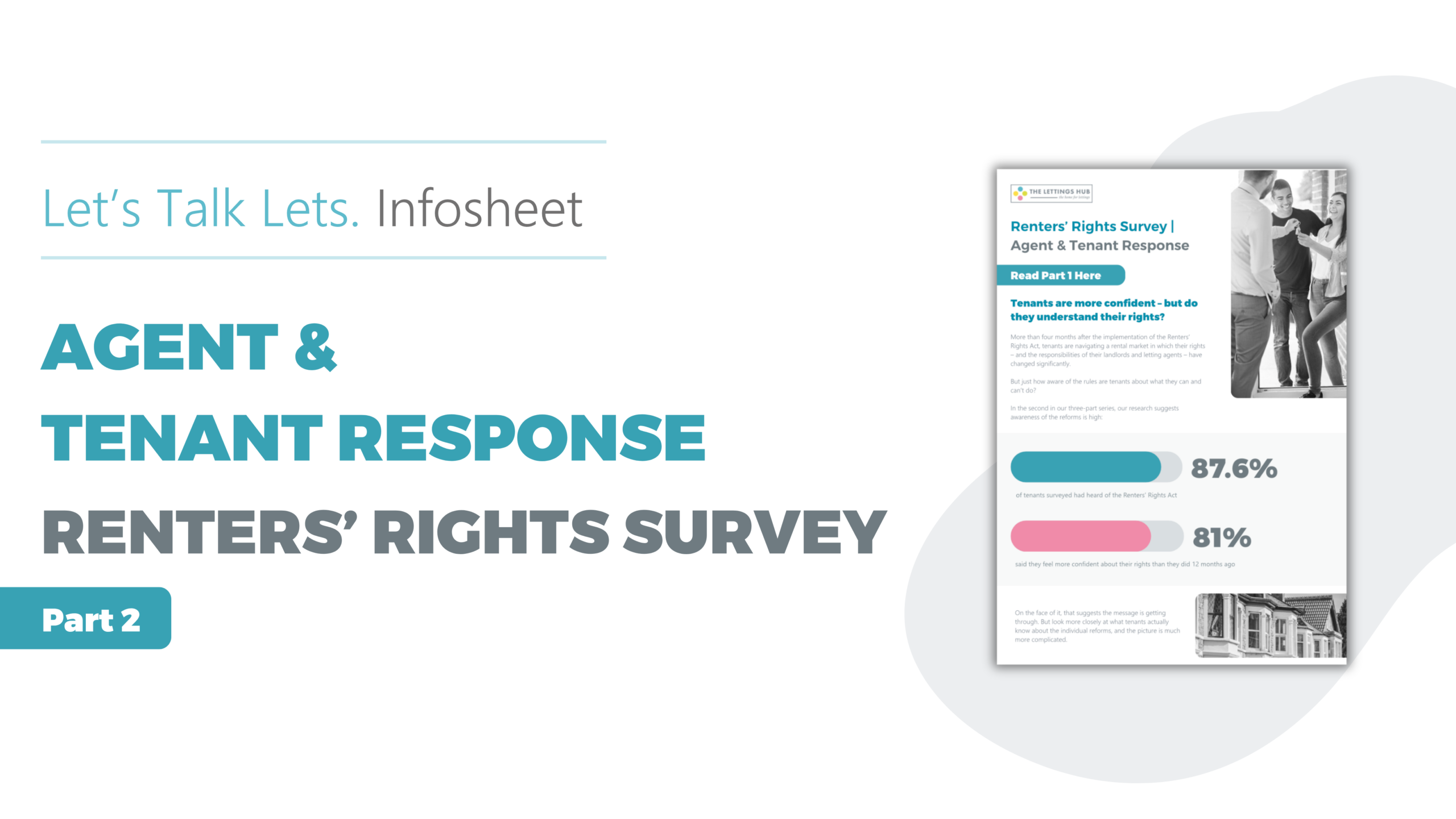
Renters’ Rights Survey Results | Part Two
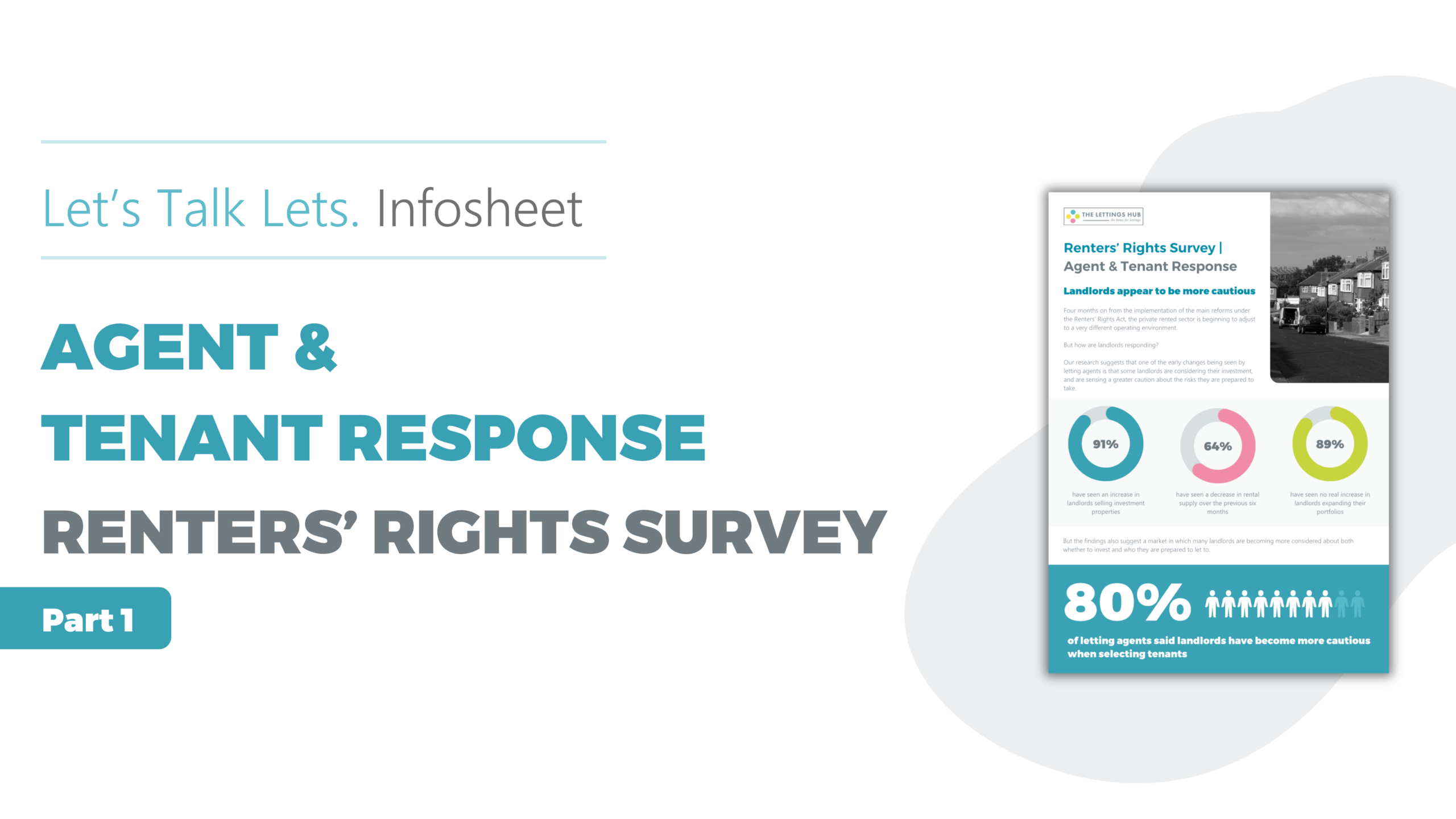
Renters’ Rights Survey Results | Part One

Making Moving More Affordable
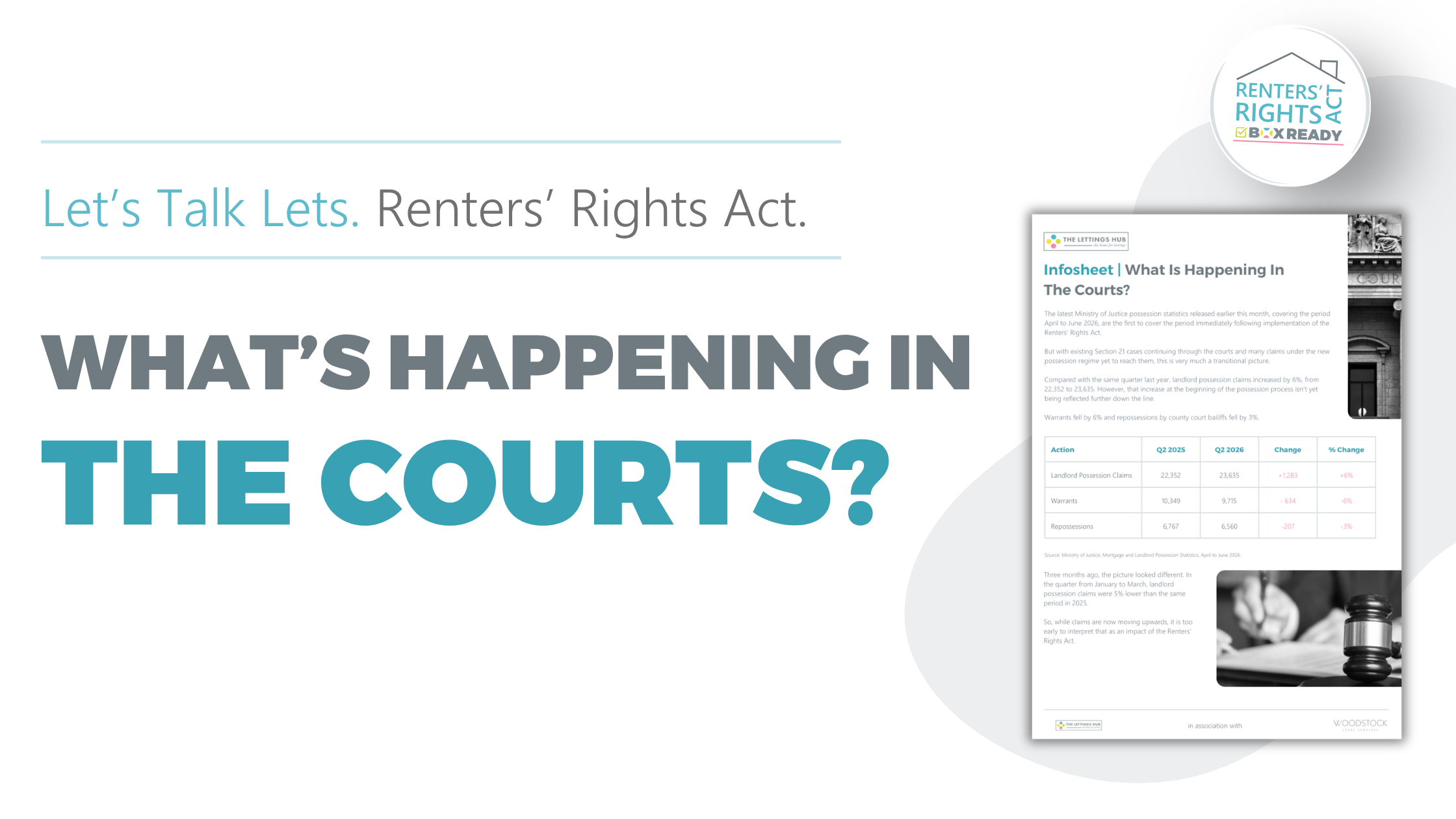
What’s Happening In The Courts?

Making Tax Digital.

Cannabis Farm
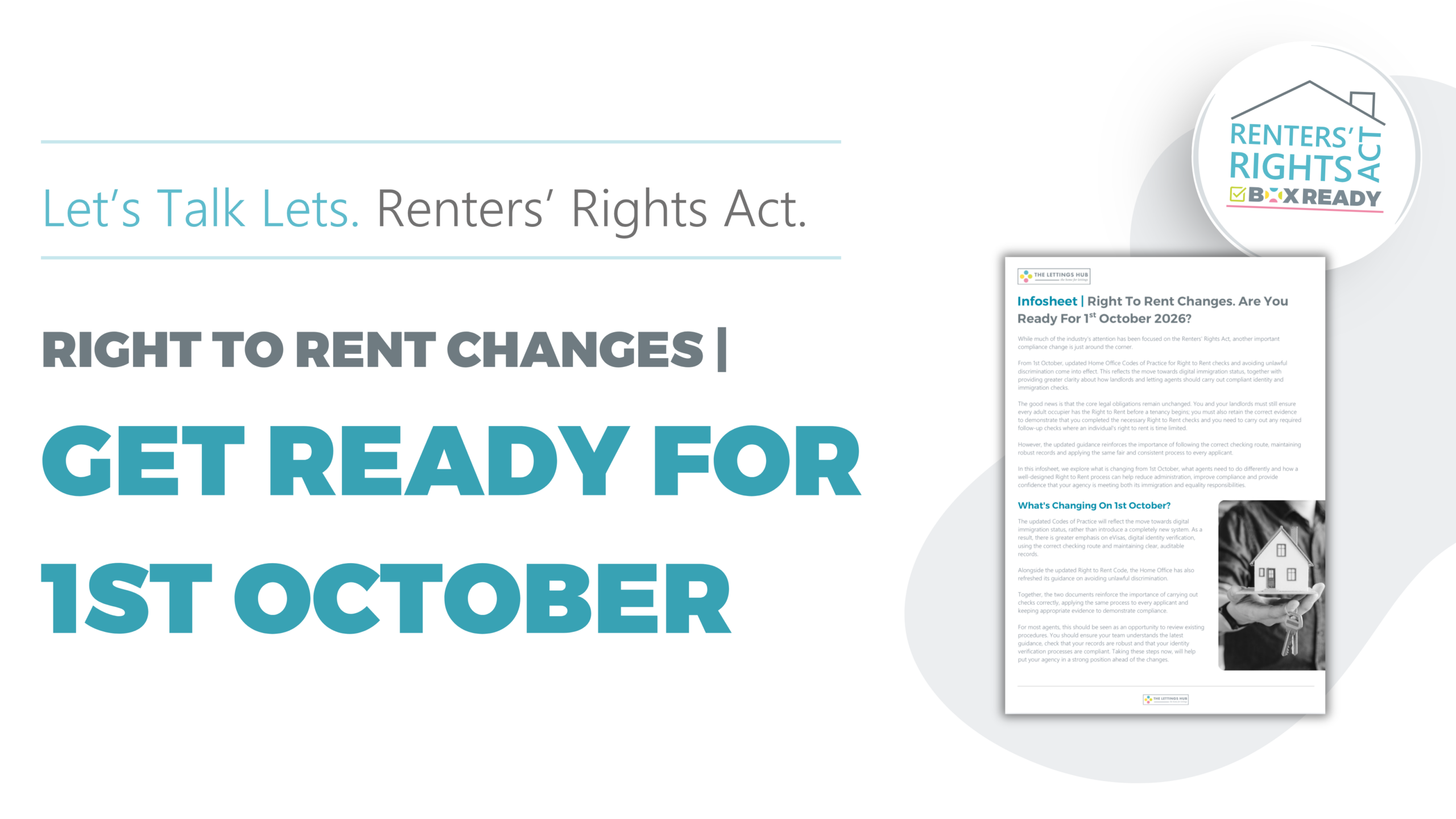
Right To Rent Changes. Are You Ready For 1st October 2026?

Webinars
What’s Happening In The Courts?
Webinars
Commonly Asked Questions Post 1st May | Infosheet
Webinars
The UK Lettings Market Report | Letting Agent Results
Webinars
Your Ultimate Guide To Sending The Government Letter | Infosheet
Webinars
Frequently Asked Questions | Infosheet
Following our recent webinar with Training For Professionals, we’ve pulled together a Frequently Asked Questions guide covering some of the most common queries around the new legislation.
Webinars
Estate Agencies Vs Letting Agencies | Infosheet
Webinars
What The Explanatory Notes Tell Us | Infosheet
Webinars
What’s Happening In The Courts? | Infosheet
Webinars
Section 13 Rent Increases. The Clarifications We Need | Infosheet
Webinars
Your Guide To Assured Short-Term Tenancy Changes | Toolkit
Webinars
Preparing For Assured Short-Term Tenancy Changes | Infosheet
Webinars
Your Guide To Section 21 Notices | Infosheet
Webinars
Motivate And Inspire Your Team | Infosheet
Webinars
Your Guide To Possession Grounds | Toolkit
Under the new rules, all possession will use the Section 8 process, requiring a valid statutory ground, correct notice, supporting evidence and a court order. Errors could delay or prevent possession.
Webinars
What Changed On 27th December 2025? | Infosheet
Webinars
Top Tips For Tenants In The Winter | Infosheet
Webinars
Flash Summaries | Part 2 | Infosheet
Webinars
What’s Happening In The Courts? December 2025 | Infosheet
Webinars
The Autumn Budget 2025 | The Impact On Landlords
Webinars
Renters’ Rights Act Landlord & Tenant Communications Templates | Tool Kit
Webinars
Renters’ Rights Act | Implementation Guide | E-Guide
Webinars
Tenancy Fraud. Lessons From Recent Cases | Infosheet
Webinars
Landlord Obligations And Selective Licensing | Infosheet
Webinars
The UK Rental Affordability Challenge | Market Monitor
Webinars
Renters’ Rights Act 2025 | Infosheet
Webinars
Rent Repayment Orders | The Renters’ Rights Collection: 10 Essential Guides To The Bill
Webinars
Decent Homes Standards and Awaab’s Law | The Renters’ Rights Collection: 10 Essential Guides To The Bill
Webinars
Where Are We Now? Back In The House Of Lords | The Renters’ Rights Collection: 10 Essential Guides To The Bill
Webinars
Student Lets – Your Definitive Guide | The Renters’ Rights Collection: 10 Essential Guides To The Bill
Webinars
Pets In Lets – Creating (And Protecting) Pet Friendly Tenancies | The Renters’ Rights Collection: 10 Essential Guides To The Bill
Webinars
Increasing Rents Using A Section 13 Notice | The Renters’ Rights Collection: 10 Essential Guides To The Bill
Webinars
Abolishing Fixed-Term Tenancies: What You Need To Know | The Renters’ Rights Collection: 10 Essential Guides To The Bill
Webinars
Rent In Advance – When It Is, And Isn’t Allowed | The Renters’ Rights Collection: 10 Essential Guides To The Bill
Webinars
Section 8 Notices – Expanded Grounds | The Renters’ Rights Collection: 10 Essential Guides To The Bill
Webinars
Top Tips To Prepare For The Renters’ Rights Bill | Infosheet
Webinars
A Guide To Imprisoned Tenants | Infosheet
Webinars
September 2025 | Where Are We Now? | Infosheet
Webinars
Decent Homes Vs Awaab’s Law | Infosheet
Webinars
Pets In Lets Survey | Letting Agents Results | Infosheet
Webinars
Hidden Occupiers | Infosheet
Webinars
Selling An Occupied Rental Property | Infosheet
Webinars
Market Monitor Q2 2025 | Guarantors Special | Infosheet
Webinars
Your Guide To Unpaid Rent | Infosheet
Webinars
Tenant Fee Act. Historic Fees | Infosheet
Webinars
Purpose-Built Student Accommodation | Infosheet
Webinars
Minimum Energy Efficiency Standards | Infosheet
Webinars
Tenancy Fraud | Infosheet
Webinars
Renters’ Rights Bill | July 2025. Where Are We Now? | E-Guide
Webinars
Private Rental Decent Homes Standard | Infosheet
Webinars
Rent Act Tenancies | Infosheet
Webinars
The Renters’ Rights Bill Amendments | Infosheet
Webinars
Renters’ Rights Bill. Where Are We Now? Pets Edition | E-Guide
Webinars
A Guide To Awaab’s Law | Infosheet
Webinars
Tenancy Surrenders | Infosheet
Webinars
Heat Networks | Energy Essentials Series
Webinars
Defended Claims | Infosheet
Webinars
Landlord Property Repossession | Infosheet
Webinars
Disrepair Claims | Infosheet
Webinars
Renters’ Rights Bill | Pets In Lets. What You Need To Know | Infosheet
Webinars
What Is Happening In The Courts? (May 2025) | Infosheet
Webinars
May 2025 | Market Monitor
Webinars
Renters’ Rights Bill | May 2025. Where Are We Now?
Webinars
Material Information Guidance: What Letting Agents Need To Know
Webinars
Mandatory Sanctions Checking | Infosheet
Webinars
Student Lettings Under The Renters’ Rights Bill | E-Guide
To help you prepare, we’ve created a comprehensive e-guide that explains the rules for different types of student lets, outlines the new Ground 4A and how to remain compliant, details the upcoming changes to rent in advance and our efforts to challenge them, and explores the role of guarantors along with alternative solutions.
Webinars
Serving Deregulation Documents | Infosheet
Webinars
April 2025 | Market Monitor
Webinars
Renters’ Rights Act | The Role of Guarantors | Infosheet
Webinars
Renters’ Rights Bill | The Power Of Local Authorities | Infosheet
Webinars
Complying With New Sanctions Check Regulations | E-Guide
Webinars
Subletting In The Private Rental Sector | Infosheet
Webinars
Ground 4A Explained: What Letting Agents Need To Know | Infosheet
Webinars
Tenants In Prison | Infosheet
Webinars
Navigating The Renters’ Rights Bill With Patricia Ogunfeibo | Podcast
Webinars
Tenant Evictions And Possession | A Guide For Letting Agents | E-Guide
Webinars
Serving Section 8 Notices | Infosheet
Webinars
Rent And Legal Protection. Can You Afford Not To Offer It To Your Landlords? | Infosheet
Webinars
Addressing Landlord Concerns Within The Renters’ Rights Bill With The NRLA | Podcast
Webinars
What Is Happening In The Ministry Of Justice? | Infosheet
Webinars
Landlord Obligations | An Overview of Compliance And Best Practice | E-Guide
Webinars
The Next Steps Of The Renters’ Rights Bill With Legal Expert, Ryan Heaven | Podcast
Webinars
Sanction Checks | Infosheet
Webinars
Awaab’s Law And The Private Rented Sector | Infosheet
Webinars
Rent Increases Under The Renters’ Rights Bill | Infosheet
Webinars
Everything You Need To Know About Settlements | Infosheet
Webinars
Where Are We Now? | The Renters’ Rights Bill Post Third Reading | Infosheet
Webinars
Where Are We Now With The Renter’s Rights Bill? | Infosheet
Webinars
Managing Anti-Social Behaviour Under The Renter’s Rights Bill | Infosheet
Webinars
What Is Happening In The Courts? | Infosheet
Webinars
Employment Rights Bill | E-Guide
Webinars
An Essential Guide To Section 8 Notices | Infosheet
Webinars
December 24 | Market Monitor
Webinars
Squatters | Infosheet
Webinars
Pets In Rental Properties | Infosheet
Webinars
HMO’s | Infosheet
Webinars
How to Upgrade your Landlords to a Fully Managed Service | E-Guide
Webinars
Removal of Section 21| Infosheet
Webinars
The Autumn Budget Implications | Infosheet
Webinars
What we learned from the English Housing Survey | Infosheet
Webinars
Your Essential Guide to Repairs For Lettings | Infosheet
Webinars
What We Learned At Conference | Infosheet
Webinars
Getting Renters’ Rights Ready | E-Guide
Webinars
Bill to Law | Infosheet
Webinars
Infosheet – Renters’ Rights Bill
Infosheet – 14-day Free Trial with Security Everywhere
Webinars
Infosheet – Stay Compliant When It Comes to Protecting Deposits
Webinars
BOX Spring & Summer Release Notes 2024 | For Users
Webinars
Infosheet – Tenants Home Insurance
Legal
Common Mistakes when Serving a Section 21 Notice
Legal
Woodstock blog: Authorised and Unauthorised occupiers
Webinars
E-Book – A General Election has been called, now what?
Legal
Can you access your rental property if your tenants haven’t authorised it?
Legal
Landlord and Tenant – Housing Conditions
Find & Retain the tenants your agency want
Legal
Rent Act Tenancies and Protected Shorthold Tenancies
Legal
Eviction Delays
Guide to Evictions | Regaining Possession
Legal
Renters (Reform) Bill developments
Legal
Statutory Information – Protecting your Tenant’s Deposit
Legal
Is the Renters Reform Bill at risk of collapse?
Legal
Gas Safety Certificates – the implications of failing to comply
Legal
Awaab’s Law, and the impact on the housing sector
Legal
What rights to tenants have after their fixed term ends?
Legal
A Guide to the Pre Action-Protocol for Disrepair Claims
Legal
Pragmatic Amendments Proposed to Rental Reform Bill
Legal
Right to Rent – Increased Fines Announced
Legal
Case Study: When a court makes an example of poor behaviour
Legal
Gas Safety Rulings all Landlords and Letting Agents Should Know
Legal
Landlords and Renters to Save on Council Tax Bills
Legal
Update: Right to Rent Check
Legal
A Guide to Enforcement Methods
Nick and Amy – Hubster Birthdays!
Legal
Late Deposit Protection | Could your landlords be at risk of committing multiple breaches
Legal
Easy to Read How to Rent Guide – Understanding the Grey Area
Business
E-Guide – How does a bill become an act of parliament?
Legal
Is a new tenancy required when a landlord changes hands?
Legal
The Renter Reform Bill – the latest updates on progress
Legal
Further delays at court due to strike action by security staff
Legal
Possession claims on the rise
Legal
Tenants and Signing Tenancy Agreements – Can my tenant owe rent if they did not sign the tenancy agreement?
Legal
Abandonment Notice | An alternative to a Possession Order?
Legal
Labour’s Rayner to shadow Gove on the Housing Brief – what can we expect?
Legal
Standard vs accelerated court proceedings – choosing which possession notice to serve
Legal
Why preparation is vital for possession hearings
Legal
Utility bills: who is liable to pay?
Legal
County Court Bailiff or High Court Enforcement?
Legal
Why Settlement Agreements Matter
Legal
Housing Loss Prevention Advice Service – New free service for tenants
Legal
Section 156 of the Building Safety Act: Elevating Fire Safety and Landlords’ Responsibilities in October 2023
Legal
What do you need to ensure you can get Possession of a Deceased Relative’s Property?
Legal
“Think Before You Settle: Protecting the Deposit on Time”
Legal
Navigating the Eviction Process: The Vital Importance of Legal Compliance
Legal
Navigating Tenant Access Denials: What Letting Agents and Landlords Need to Know
Legal
Student Let Management Under the Renters Reform Bill
Legal
The High Stakes of Neglecting Deposit Rules: Lessons from a Recent Case
Legal
The Deregulation Act 2015: Essential Knowledge for Landlords on Section 21 Evictions
Legal
How long does it take to gain possession?
Legal
From Draft to Law: Unveiling the Timeline of the Renters Reform Bill’s Journey to Implementation
Legal
RENTER’S REFORM BILL
Legal
Effective use of section 21 notices – whilst we still have them
Legal
A Landlord’s Dilemma: The Case Study of a Landlord Accepting a Reduced Settlement for Rent Arrears
Legal
Setting up the perfect tenancy
Legal
How to tackle the start of a damages claim
Legal
Navigating the Legal System: Understanding the Difference Between Section 21 and Section 8 Notices
Legal
Tenancy Agreements: What You Need To Know
Legal
Negotiating settlement of rent arrears
Business
How Agents are Providing Landlords Peace of Mind on Challenging Right to Rent Checks
Business
Reviewing Your Tenant Referencing. Download our E-Guide Today
Technology
How You Can Save 50% on Your Current Referencing Costs with BUZZ
Business
How Can Agents Boost Their Reputation with Tenants at the Close of a Tenancy?
Business
Download Our Energy Price Increase Checklist
The Lettings Hub: Supporting Women in Tech on International Women’s Day
Shining the Hubster Spotlight on… Daniel Burge, Accountant
Technology
Your Questions Answered on the Unofficial ID Checking Providers Duping UK Agents and Landlords
Looking Back on 10 Years of The Lettings Hub
Business
Tenant Fraud is on the up. Download our E-Guide Today
Technology
Discover how Open Banking has revolutionised referencing, making it quicker, easier and eliminating the risk of fraud.
Shining the Hubster Spotlight on… Sarah Wayman, Workflow and Process Manager
Legal
Food for Thought for Landlords Before Renting to Students
Business
Legal
The Rising Cost of Mortgages and the Impact on Landlords
Legal
Guarantor Agreement – Safety in Numbers
Technology
How Does BOX Really Work? …A Behind the Scenes Insight
Business
Rising Rent, Tenants in Arrears and Landlords Reducing Portfolios in 2023 – What Can You Do as an Agent?
Legal
Have I Got Possession of the Property? – What to do when items have been left at the property, but the tenant has vacated
Legal
Decent Homes Standard: Are Homes in the Private Rented Sector Meeting it?
Legal
Paying the Price: Minor Mistakes with Deposit Protection
Legal
Blanket Ban on Benefits go Against the Equality Act
Legal
A County Court Judgement (CCJ) Has Been Granted – But is it All Over?
Legal
Successful Property Possession – A Case Study
Legal
High Court Enforcement – ‘Can’t pay, we’ll take it away’ myths dispelled.
Many of us are familiar with this type of Enforcement through the TV series ‘Can’t pay, we’ll take it away’. This article dispels the myths about HCE.
Legal
What Happens if the Tenant Refuses to Vacate the Property After Agreeing a Surrender?
Legal
Wales – No Licence? No Section 8 Notice!
Legal
Disability Discrimination Defences in Possession Proceedings: Understanding the Law
Legal
Unlawful Evictions: All You Need to Know
Legal
How to Issue an Eviction Notice – Common Mistakes to Avoid
Business
Interest Rates hold steady for now: what should landlords and agents make of the decision?
Technology
The digital lettings agent – is it all it’s cracked up to be?
Legal
Debt Respite Scheme (Breathing Space) – Impact on lettings

Business
5 things landlords DON’T want lettings agents to do

Legal
Impact Of Brexit On Lettings Market

Business
How to make landlords more confident 2021

Technology
5 ways to assess the efficiency of your lettings agency
Technology
Automation and information sharing

Legal
Renters Reform Bill Kicked into the long grass?